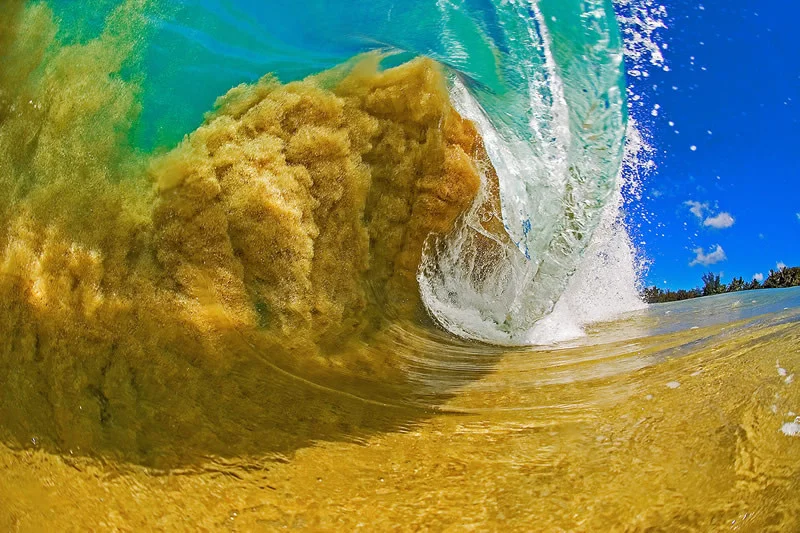
Holy moly it's hot! Time for a swim with Johanna!

So far it's been a sultry summer. I'm 100% on board with that.

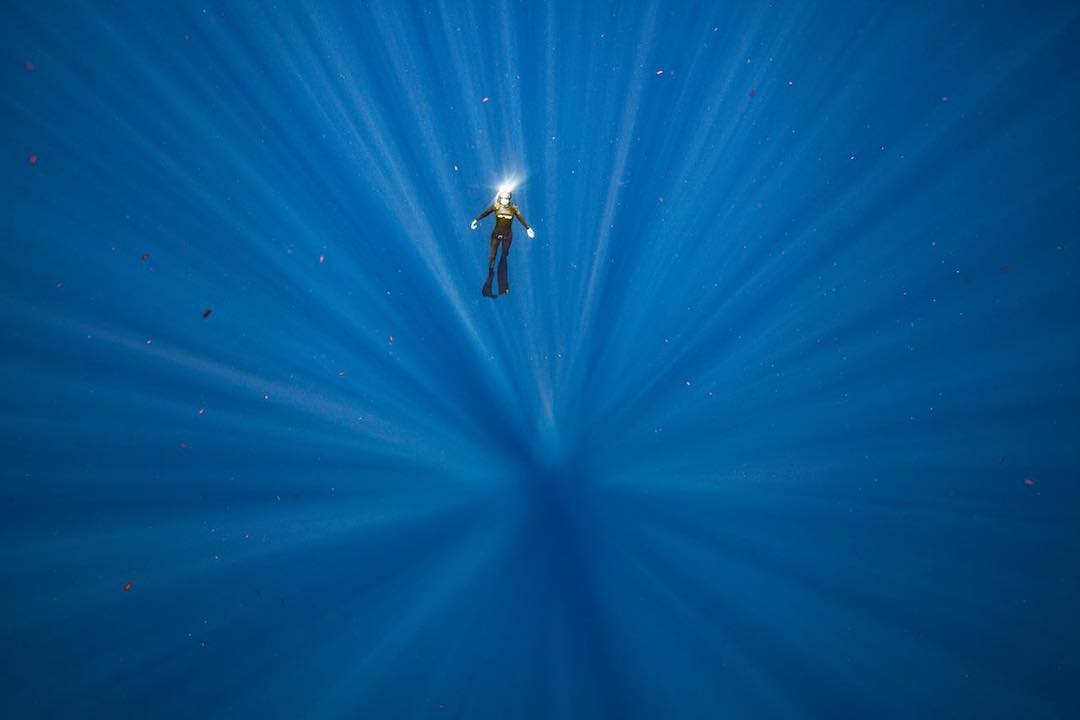
But yesterday I took a 3 minute and 47 second break from the heat with Finnish freediver Johanna Nordblad. She freedives under the ice. And not just a little bit. She's a world record holder who came to the sport after she nearly lost her leg in a downhill mountain biking crash. Ice therapy to save her leg led to this.  

I love freediving, the otherworldliness of it. But I've never seen anything quite like this video of Johanna trekking across the Arctic ice, cutting a hole, and slipping through.  It's so beautifully shot and really captures the tranquility of freediving, something that's only amplified under the ice. 

Finnish freediver Johanna Nordblad holds the world record for a 50-meter dive under ice. She discovered her love for the sport through cold-water treatment while recovering from a downhill biking accident that almost took her leg. British director and photographer Ian Derry captures her taking a plunge under the Arctic ice. Read more on NOWNESS - http://bit.ly/2bKRuzm

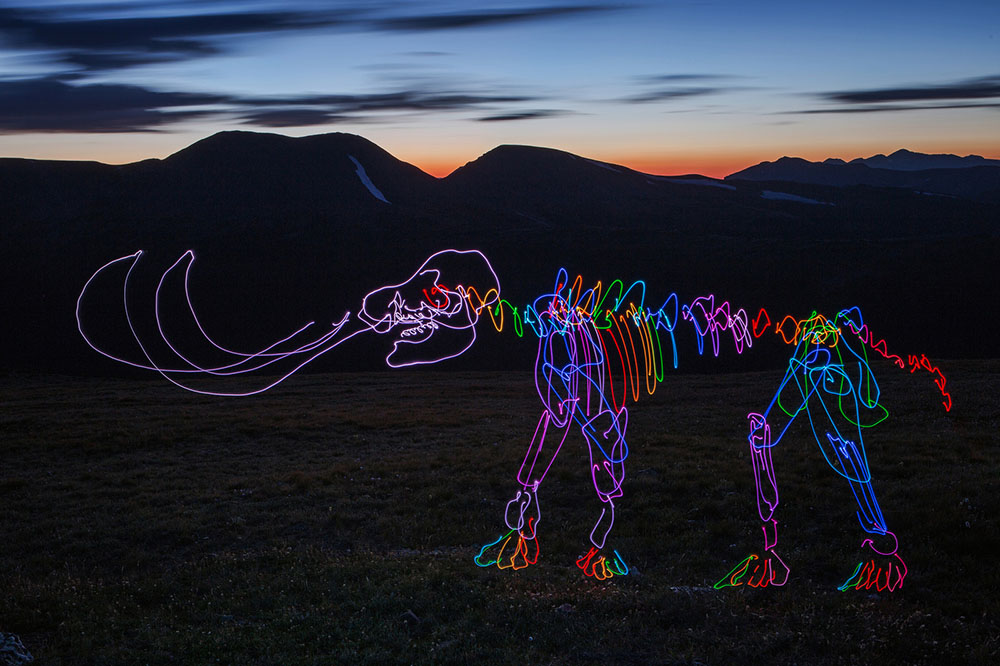
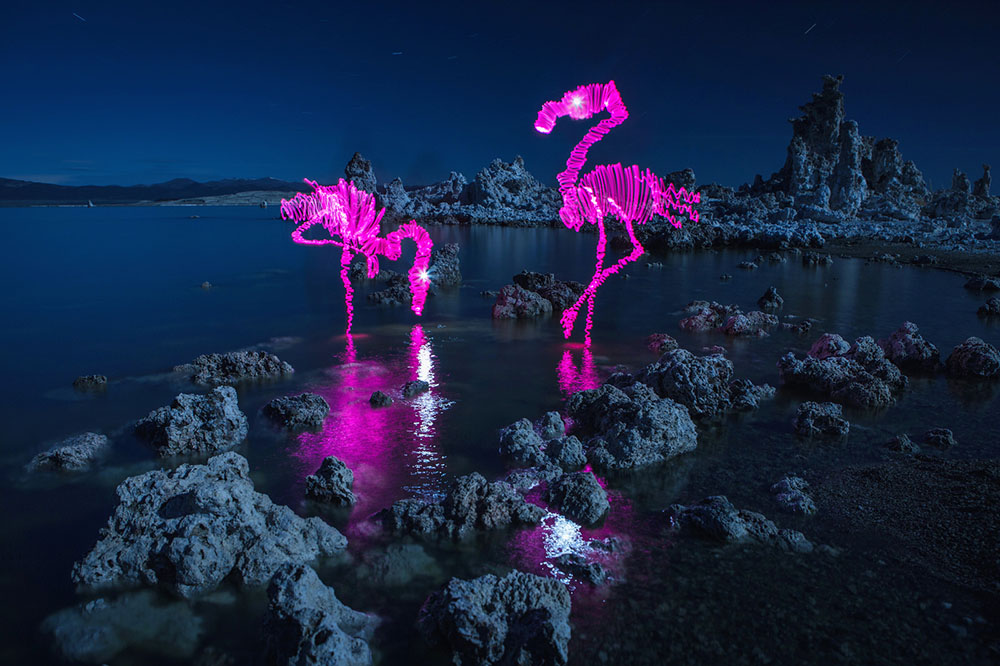
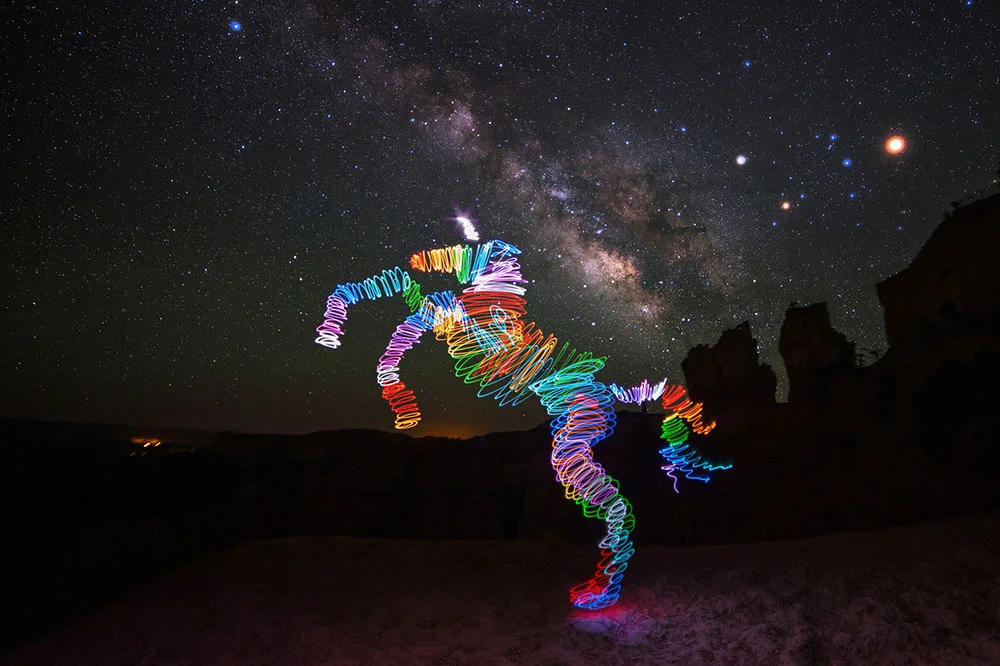
Light Painting. Darren Pearson. Holy crap.

If you spend many nights outside, and I hope you do, at some point you'll try messing around with longer camera exposures.

20 years ago, that involved slow film, slow shutters, and lots of disappointing trips to the Fotomat. 10 years ago, it would take a digital camera with a good manual mode. Today, you can just use your mobile telephone/flashlight/camera/jukebox device!

If you're just looking to futz around and get a feel for it, I'd recommend the Slow Shutter app for the iphone. It'll put you back $1.99 but let you do pretty much anything you want related to long exposures. You'll need a tripod too. (I personally like the smaller Joby options but cheaper ones work fine, as does pretty much any stable area to place your phone.) Once you're set up, grab some different light sources and start messing around. And... this concludes the tutorial!

Now for inspiration, let's get to Darren Pearson. AKA Darius Twin. AKA a guy that's definitely not messing around. He creates the coolest creatures you could ever hope to see using nothing but light. In doing so, he also creates a momentary window into an achingly beautiful alternate reality that I so wish was real. 

Darren was originally inspired by Picasso's famous light paintings and it shows, in the most magical ways.

Just as impressive as his work, Darren's built a career, and business, around light painting. Another shining example of "do what you love, and the rest will come."

You can see more of his work right here yo.

The work of Dan Pearon, aka darius Twin.

The work of Dan Pearon, aka darius Twin.

Mesmerization and cracks in time

You may have noticed a dip in activity around these parts as of late.

I'd like to attribute it to several months at sea with only occasional wifi access. Or maybe an extended session with a purloined case of Plantation Pineapple Rum. But alas, no. Shit just got busy, as shit does.

To help stay sane during this stretch, I leaned heavily on a new ukulele. She's a real beauty, wonderfully figured willow, in the tenor size: a bit bigger than the itty bitty soprano most people think of when they think of a ukulele. To be clear, when it comes to the ukulele I'm not what you'd call "talented." Or even "a musician." I mostly just fall in love with certain chord progressions and loop them over and over. There's nothing fancy about it whatsoever. As Leonard Cohen put it: "It goes like this, the fourth, the fifth, the minor fall and the major lift." But it's mesmerizing to me. And it can make 20 minutes feel like I just spent an entire weekend away.

The other thing I started dabbling with recently is meditation. I liked it from the start, combining the breath awareness of yoga (and freediving for that matter) with the blankness of driving four chords into the ground on a ukulele. In its own way, meditation is mesmerizing too. An hour spent meditating can feel like a lifetime, in the best possible way. 

It's an interesting word "mesmerize." One of those that sounds like what it means. It originated with Franz Mesmer who was a German physician (1734-1815). He had a theory of energy transfer between animate and inanimate objects that he called animal magnetism. In 1843, Scottish physician James Braid expanded the theory to include hypnotism which... ah hell, Wiki page here.  My main point: Mesmerization = Hypnotism. I'll move on. 

When we're mesmerized by something, it's like discovering a tiny crack in time – a place to explore, or just hide within, that's completely removed from the machinations of the day. Fly fishing, drum circles, laying on the ground and looking up at the trees...they've all provided me with spiritual hidey holes over the years. Places to expand or recover or just chill tf out. 

Invisible Oregon, the video below, did the same thing for me this morning. 

For the record, I didn't think I needed to see any more time lapse videos in my lifetime. Of course many of them are beautiful.  But at a certain point, I came to the conclusion that I've probably gleaned everything there is to learn from fast clouds and twitchy trees. I was wrong about that.

Invisible Oregon was shot by Sam Forencich using infrared converted cameras. They capture the infrared portion of the spectrum which produces amazingly ethereal imagery. It exists somewhere between conventional and thermal photography, both technically and visually (here you go nerds). 

But "hey, pink trees!" is far from the whole thing. Sam's landscapes are stunners, the edit is fantastic, and the sound design takes it all to a higher level. 

I truly find it, yep, mesmerizing. If you could use a little escape, I'd suggest full screen mode, some headphones, and seven uninterrupted minutes to climb inside. 

Created entirely with infrared converted cameras, Invisible Oregon is a study of light across time and space. As the sun rises over the State of Oregon infrared light travels across the earth revealing the subtleties of new growth and the dramatic intersection of sky and earth. Witness for the first time this diverse and interconnected landscape rendered from light we can't see with our own eyes. Filmed and Produced By Sam Forencich https://www.samforencich.com/ Sound Design By Travis Forencich Executive Producer: Jeff Frost http://www.jeff-frost.com/ Advising Producer: Michelle Lanier http://www.michellelanier.com/ Ever since my youthful days of “experimentation” I've often wondered about the nature of reality. Those of you that still believe in science understand the limitations of our perceptions, and it's no secret that many creatures exceed our abilities to interpret the world around us. The idea that we have to process the sensory data coming into our brains makes it seem like we are already a step removed from the real world. So what exactly are we missing? What do animals experience that we can't, and how do our human perceptions vary from person to person? While this film does nothing to answer these questions, time-lapse and infrared photography do, in a metaphorical sort of way, extend our sensory abilities so we can imagine a world beyond ours. Ultimately I think this is what draws us to these forms, not to solve the mystery, but to flirt with it's boundaries. Sam Forencich Invisible Oregon was filmed with an infrared converted Nikon D750, and a Canon 5D MarkII Conversions by: Kolari Vision: https://kolarivision.com/ Motion control rig by Dynamic Perception: https://www.dynamicperception.com/ Post production: LRTimelapse: https://lrtimelapse.com/ , Adobe Lightroom 6, Adobe CS6: After Effects, Photoshop, and Premiere Pro

A closer look at mountains and other things

It's easy to not see mountains.

I don't mean, like, "what did I just trip over?" and then you turn around surprised to find the Grand Tetons laying there.

I mean it's easy to not see mountains for what they are. For what they're made of. It's easy to overlook the kabillion bits and pieces that make up the panorama we typically see when we "see" mountains.

How come? Well, mountains are big broad bastards. Overwhelmingly so. Wrapping our head around them requires far-focus, a suspension of disbelief, and some serious peripheral chops. It seems that clearly establishing a sense of distance is key to understanding mountains at all. 

But unfortunately this sense of distance also creates, I don't know else to say it, a sense of distance.

I've spent thousands of hours in the mountains – boarding, biking, backpacking, catching brookies, and just generally dicking off. I'm wildly comfortable at elevation. I feel as one. But still, when I'm there I tend to look at a mountain range as if I'm looking at a photo of a mountain range. I take in the beauty, of course, but abstractly so. Like most, I tend to focus on the tallest peaks, the deepest valleys, and the farthest horizons: happily wallowing in the wallop of scale while I miss the rest.

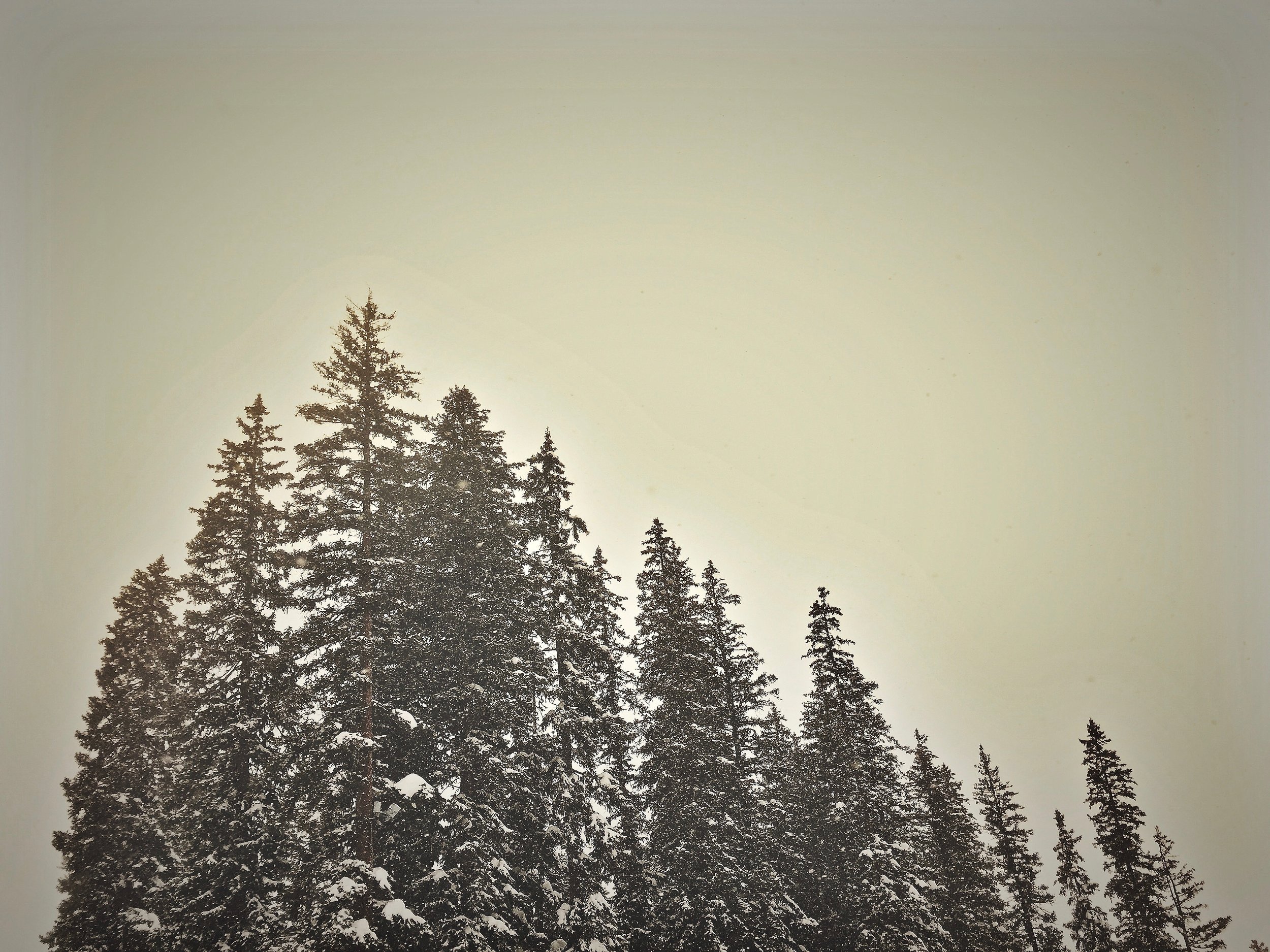
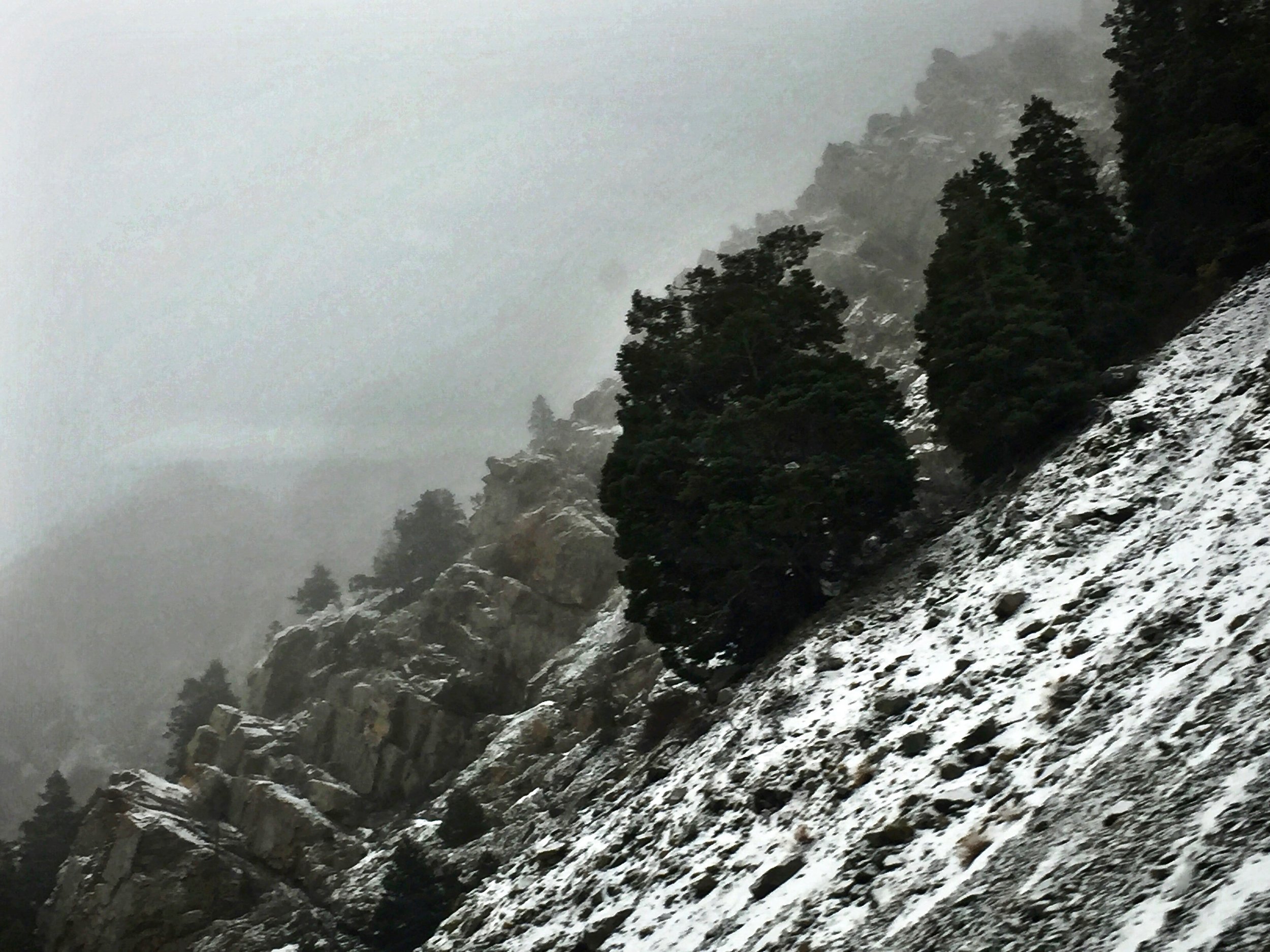
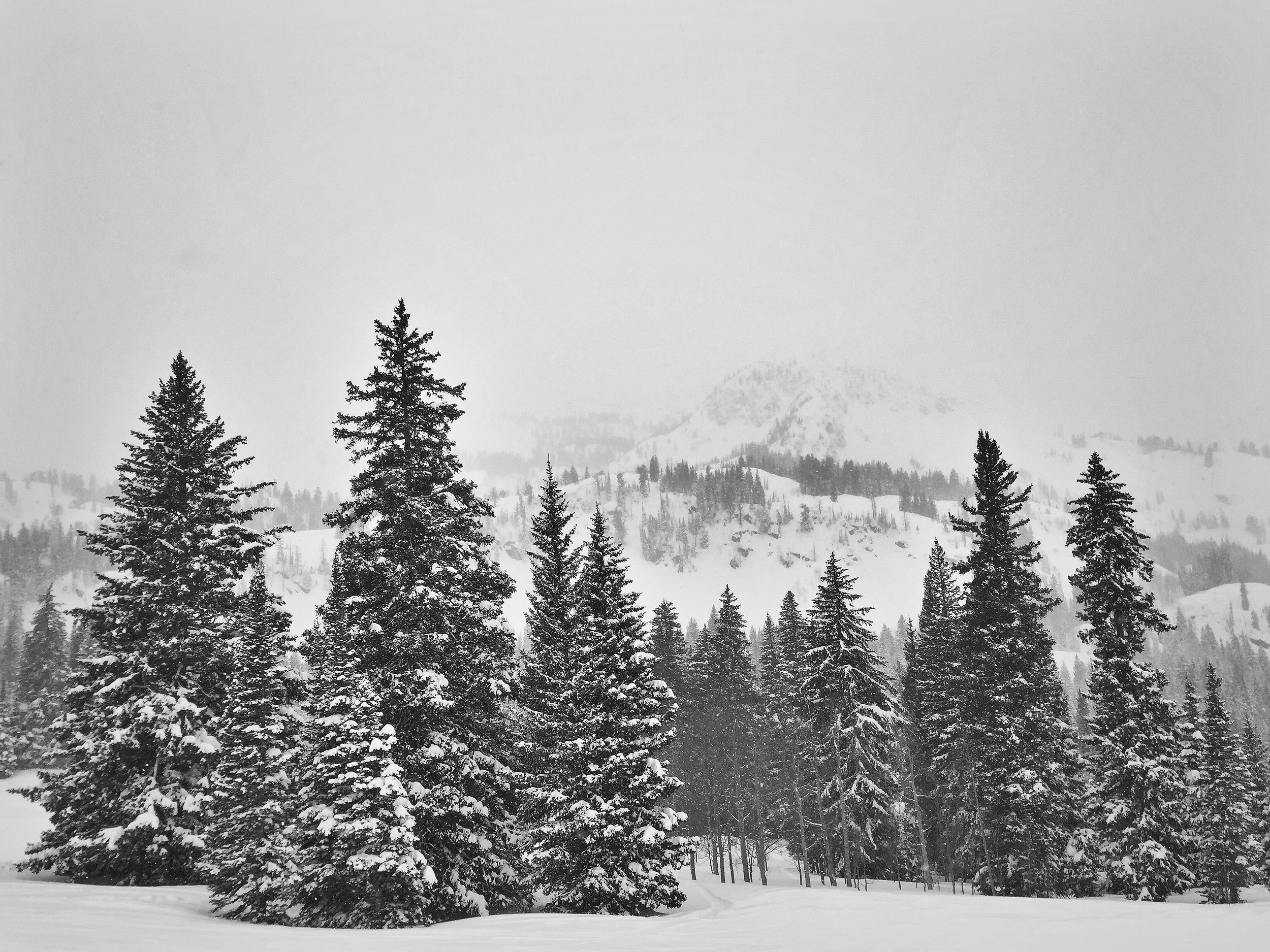
What got me on this path? I spent last week in Utah which included some time in the Wasatch Mountains. Over the course of seven days, Big Cottonwood Canyon got 61 inches of snow. Of course this sort of weather system makes for damn fine snowboarding. It also makes for piss-poor visibility. 

As a result, there were no stunning vistas in the Wasatch Range last week. No panoramic photo ops from the chairlift. No mountain's majesty, purple or otherwise, in any direction. There was just snow and clouds and, down in the valley, fog.

And so that's how things went down – me in the mountains, slicing long soft turns through an empty grey. 

I have to say it took a while for my mind to recalibrate, for me to stop looking toward a non-existent horizon for perspective. Over time though, I gradually surrendered my need for the far-away for what was right in front of me: dark stabs of douglas fir, non-negotiable walls of stone, the gloved transfer of snow from mountain to mouth.

Once I noticed these smaller things, of course, I couldn't stop noticing them. Thanks to the weather's veil, my view had shifted from macro to micro. I found myself seeing, and maybe even coming close to understanding, some of the individual pieces that make up the usually inscrutable mountains.

Hoping to find a lesson here, or at least an obvious metaphor to jump to without a properly fleshed-out transition (as I do!), I'm left with this:

We're living in stormy times; an era of uncertain horizons. I feel it every day.

I'm saddened that the forecast for tomorrow, January 20th, 2017, calls for more of the same.

I know that eventually, inevitably, the sky will break. So I plan to keep looking outward with patience. But in the meantime, I'm going to appreciate what's right in front of me too. The kabillion bits and pieces of life are far too important to overlook while I'm busy scanning the horizon for something more.

Sea change: The photography of Sarah Lee

A Film by Sarah Lee & Jeff Dotson Girls: Donica Shouse, Danielle Zirkelbach, Kahanu Delovio, Alyssa Foo, Madeline Foo http://facebook.com/jeffdotson http://facebook.com/sarahleephoto

The earth is 71 percent water.

The human body is 60 percent water.

For the next several months, in my neck of the woods anyway, both of these things will be frozen solid. 

Before I get going here, let me just say that I'm a big fan of ice. Ice is one of the few things I like in my cocktail (other than the cocktail itself). I appreciate what ice has done for hockey. I enjoy cutting holes in ice and extracting fish. But goddamnit anyway. In the end, I prefer water when it's moving around. When it's pushing me this way and that. I prefer water when it's alive.

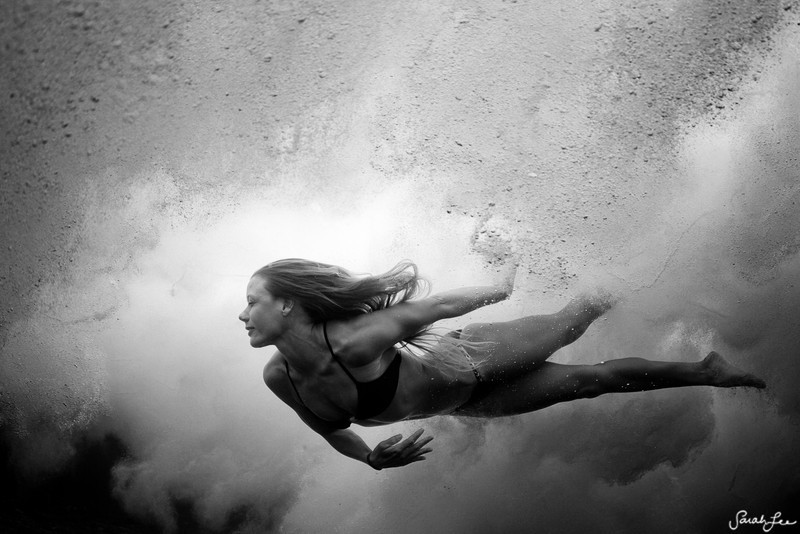
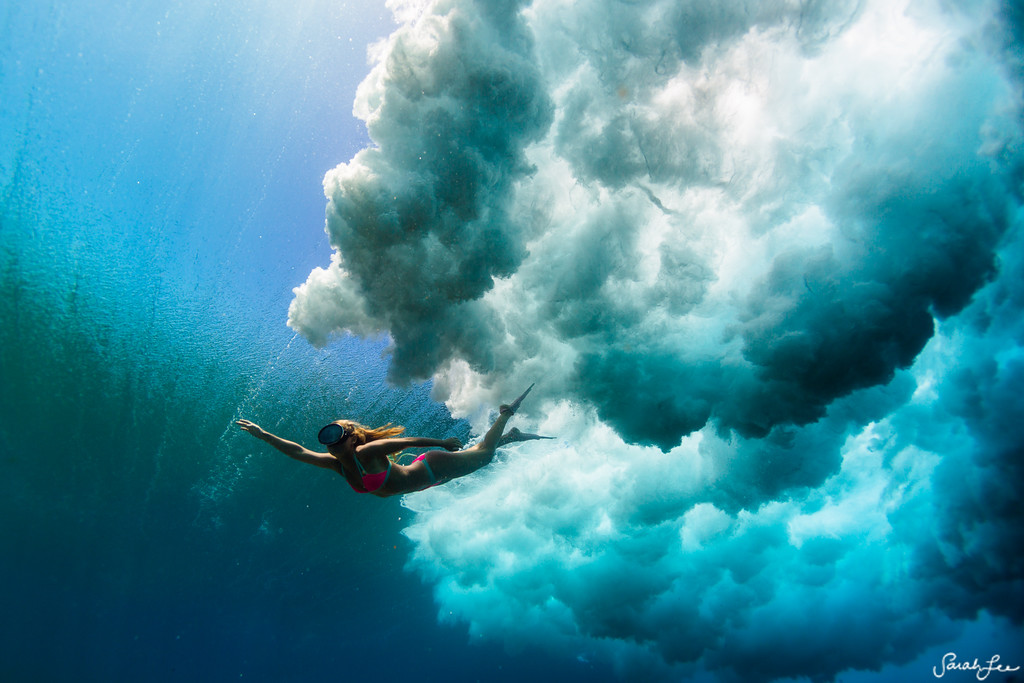
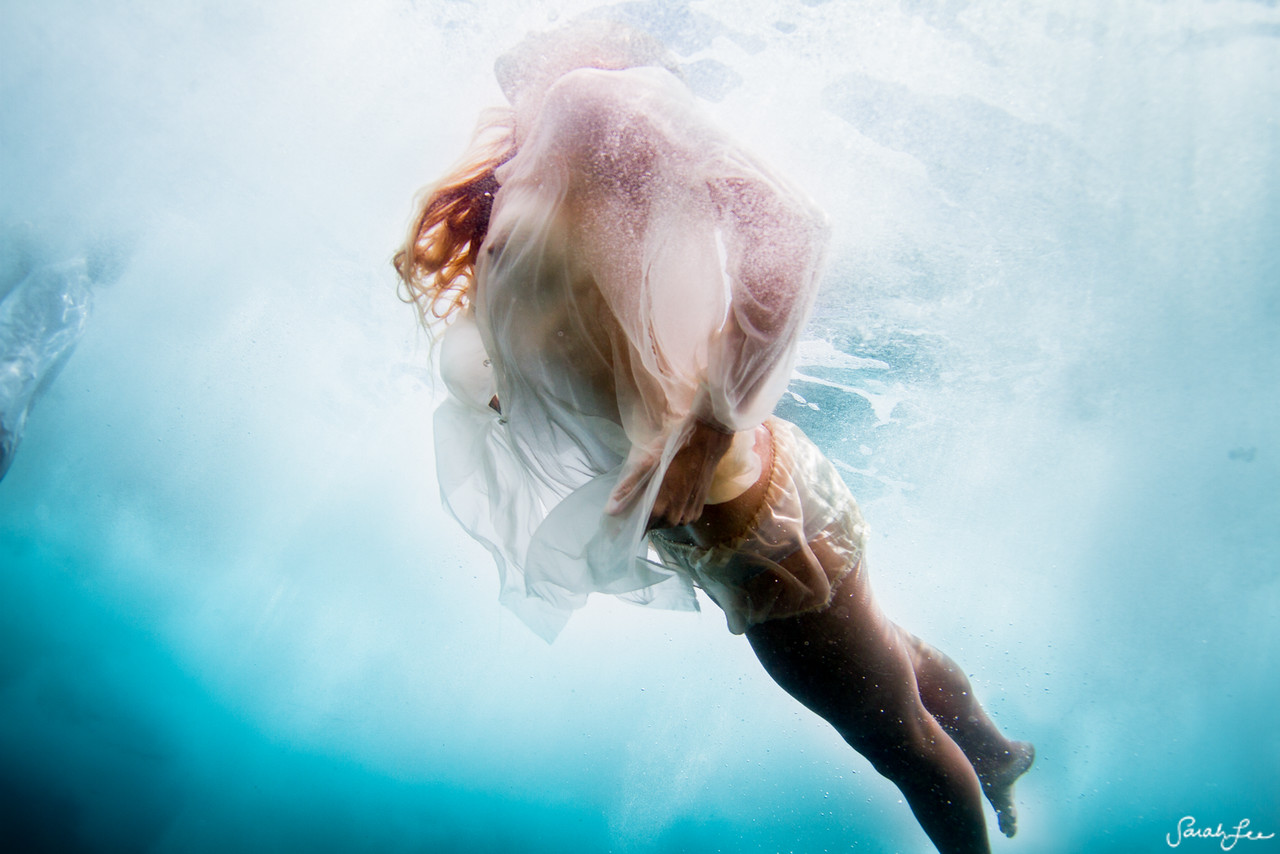
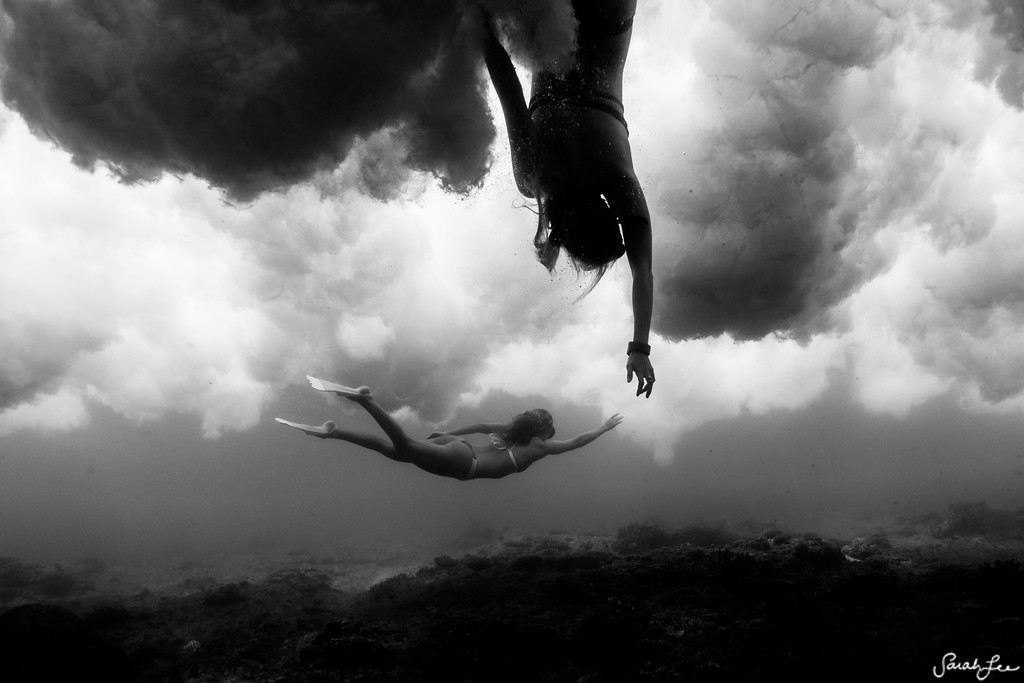
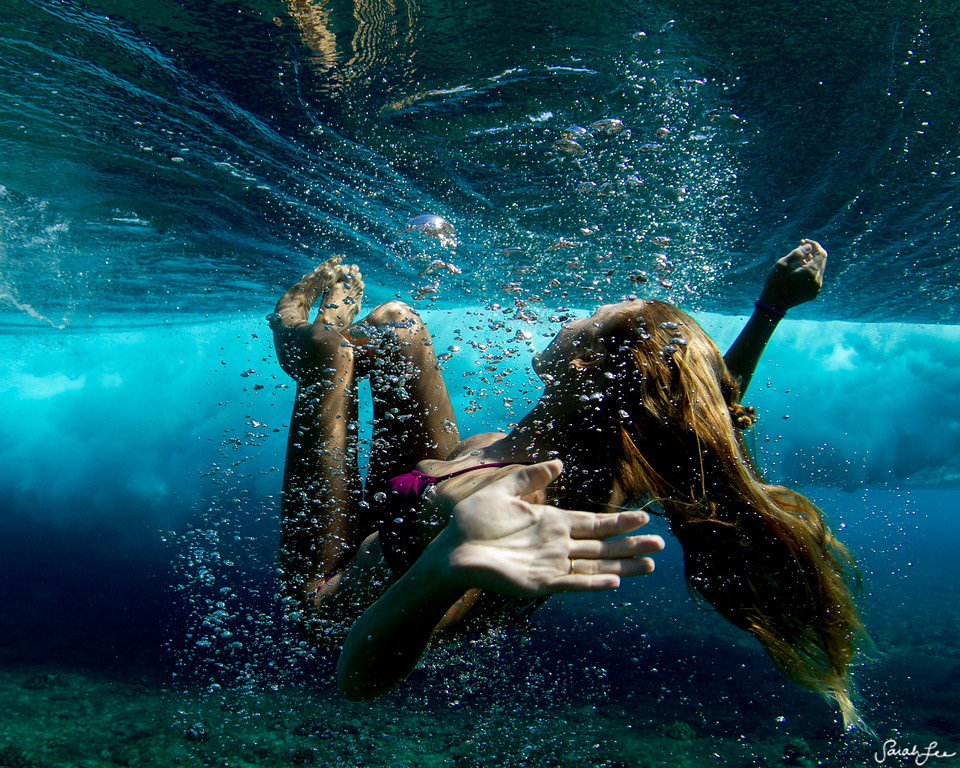
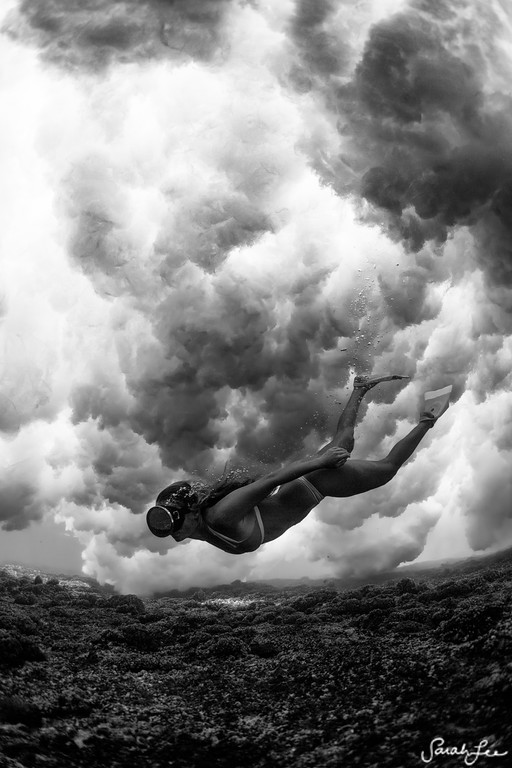
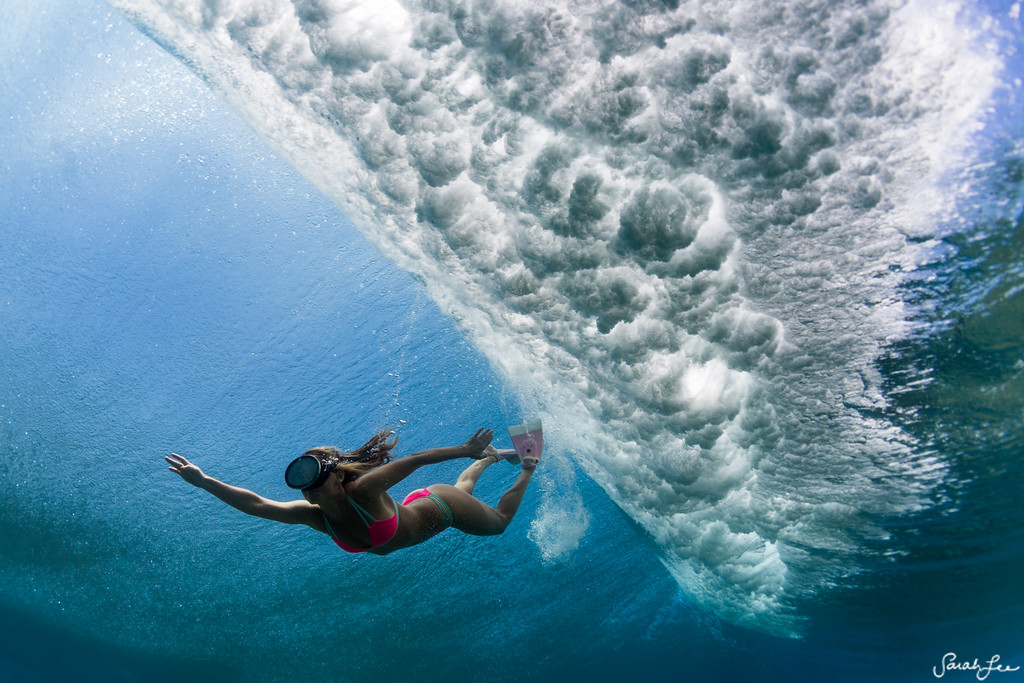
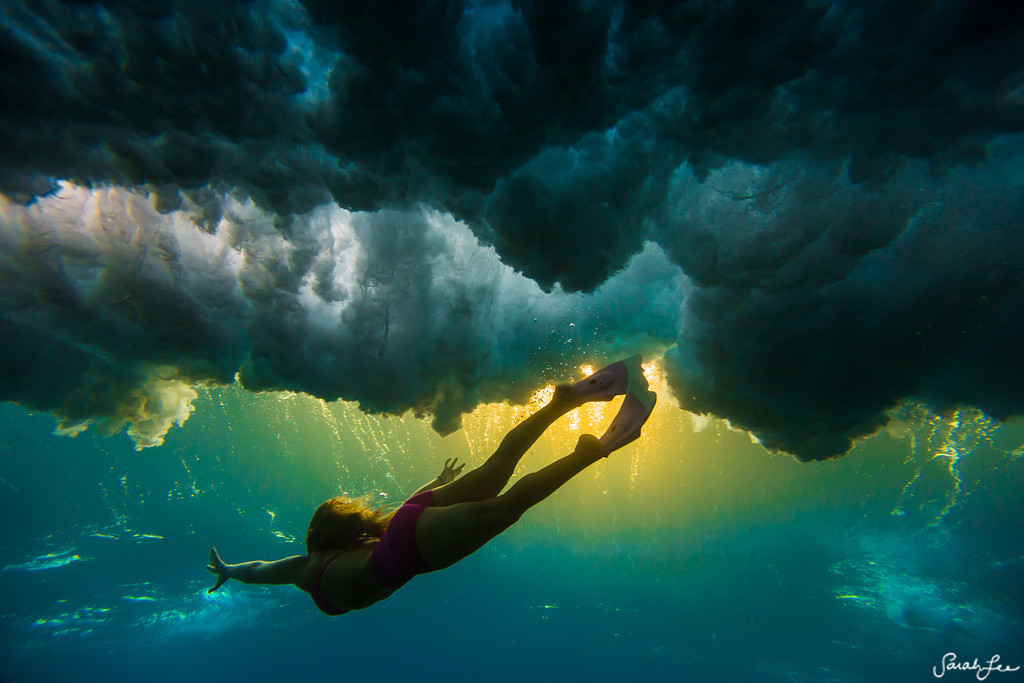
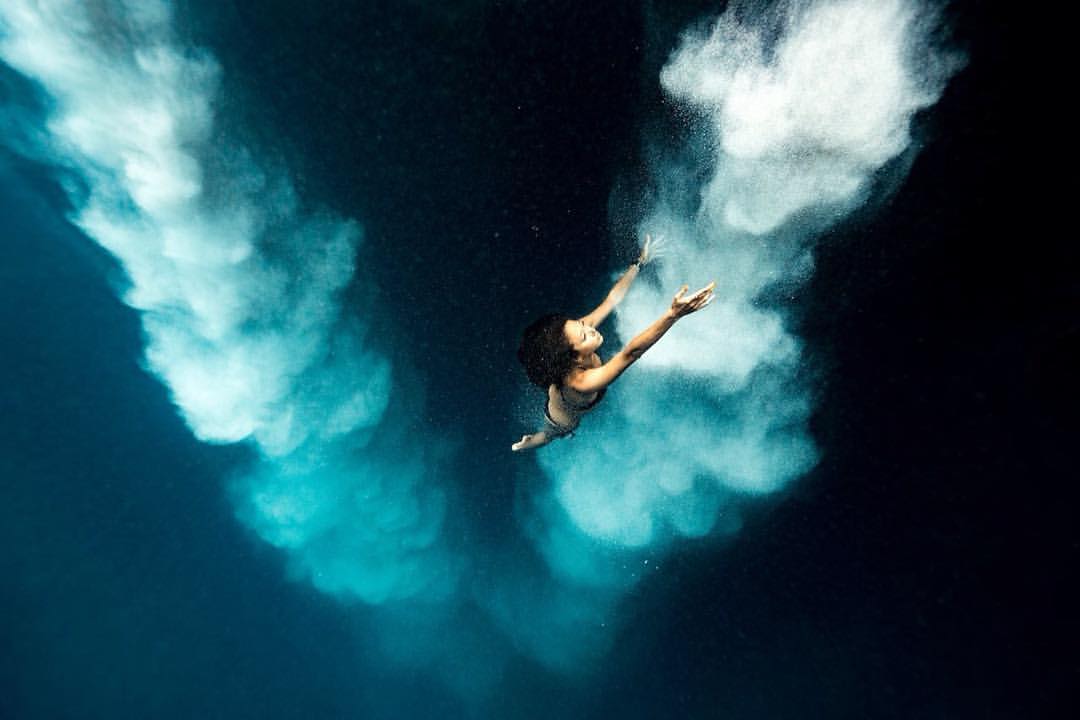
Case in point is the work of photographer Sarah Lee. She's born and based on the Big Island of Hawaii and her love of moving water comes through in every image. Her still photos are amazing. 

And the video at the top of this post? Yowza. It's a teaser for a short film she collaborated on called Kainos which, as far as I can tell, hasn't been released. But oh man I'd love to see it.

Earlier this year I wrote about freediving photographer Daan Verhoeven. His work, to me, carries serious weight. There's a stillness to what he does – an almost religious sense of gravity. It's stunning.

Sarah's work is stunning too, but in an entirely different way. It's an outright celebration of moving water – swirls of slivering beauty and brute force and the lucky ones that have found their place comfortably within it. 

Sarah was kind enough to let me share her images. Not only that, she signed off her note with "mahalo nui." Some people are just cool like that.

Check out more of her work, underwater and alongside it, on her site.

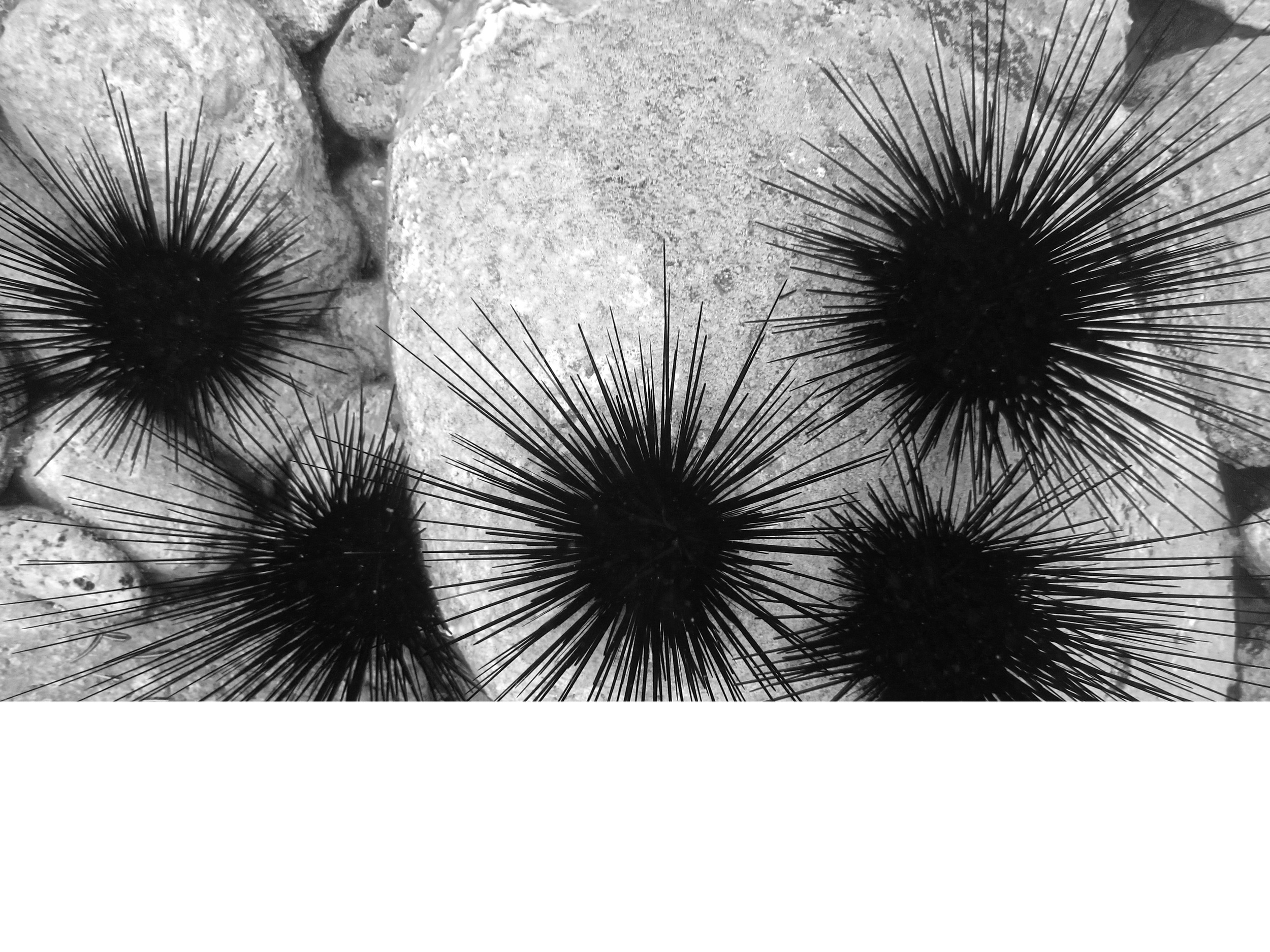
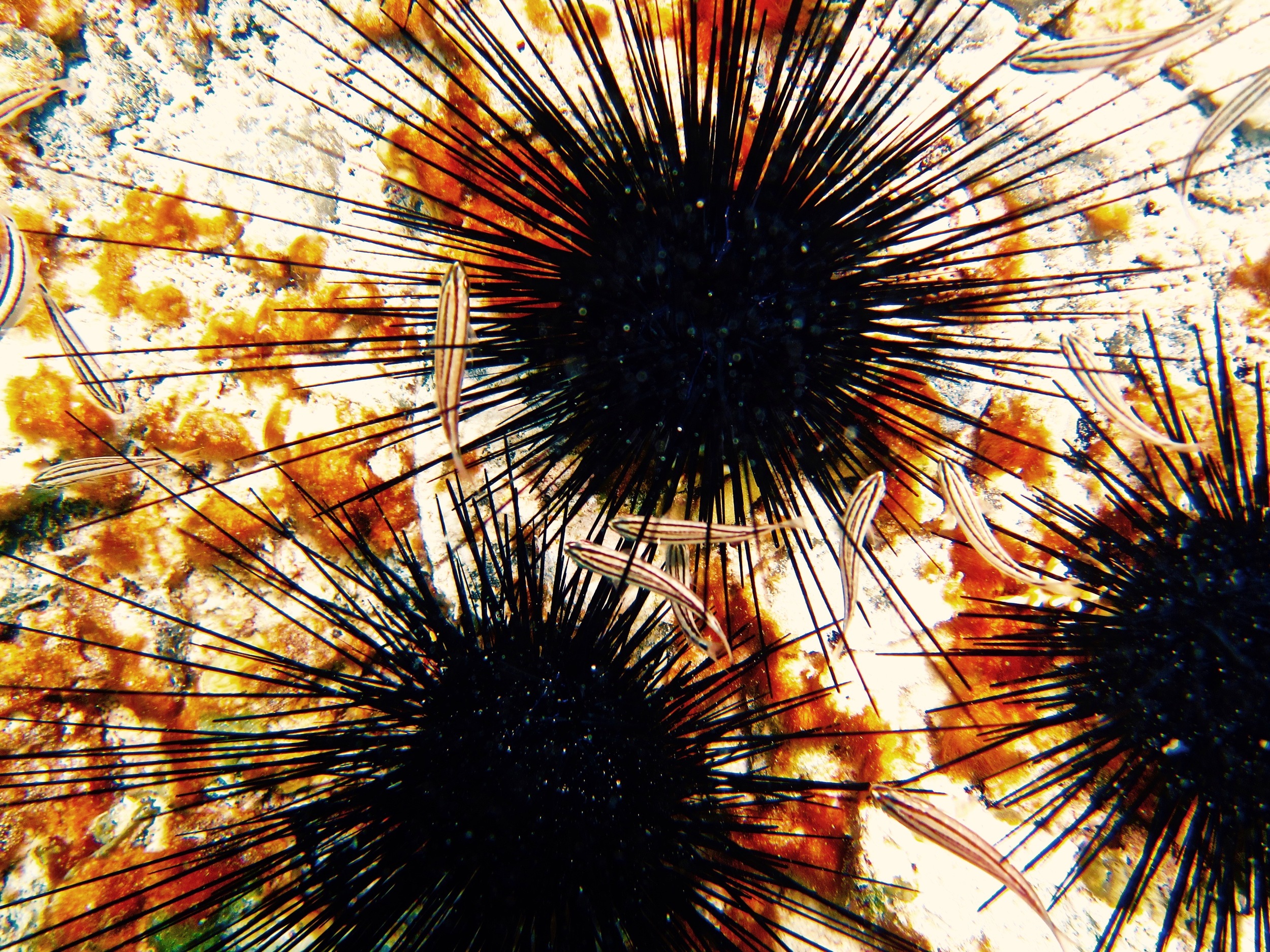
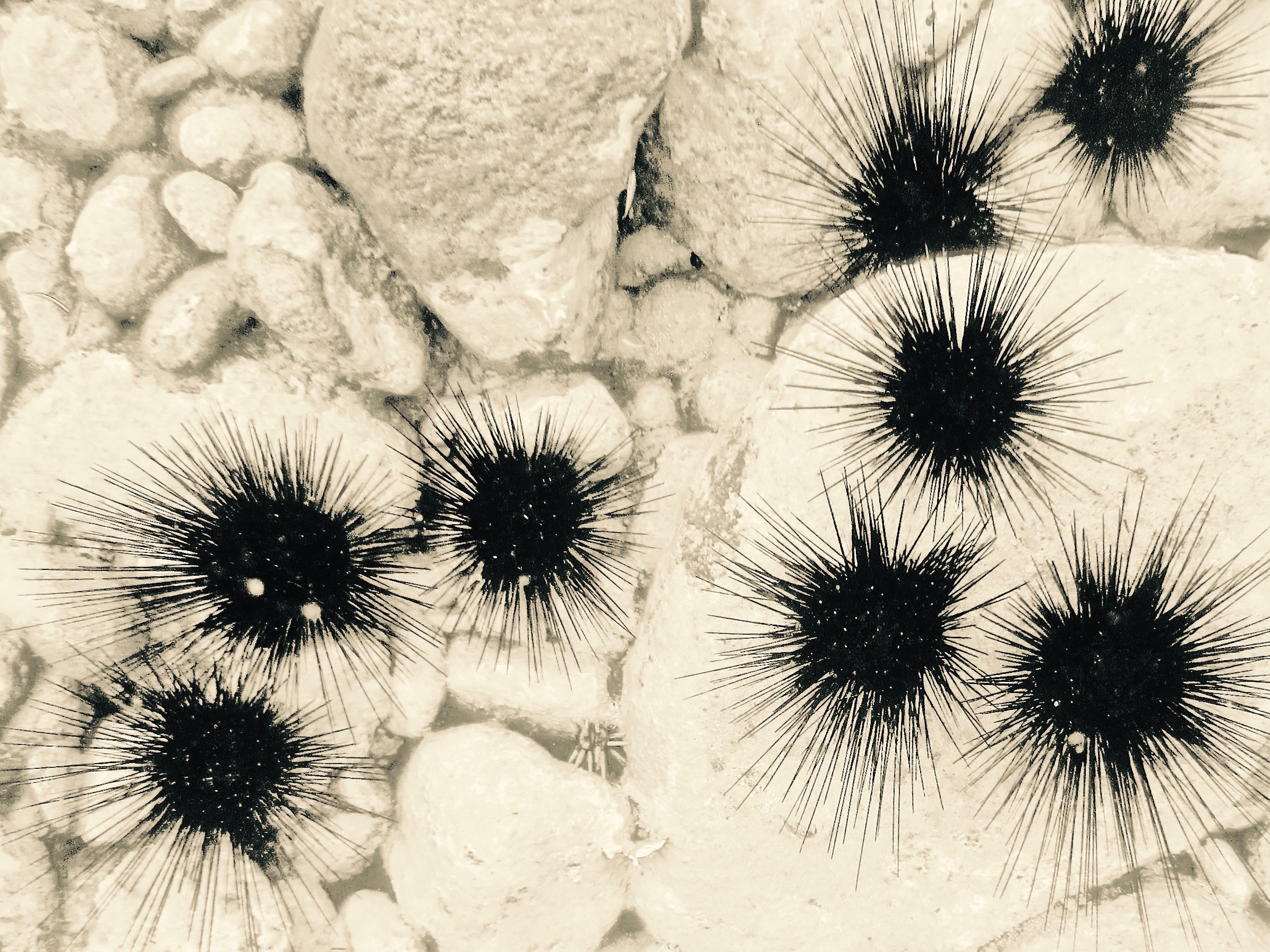
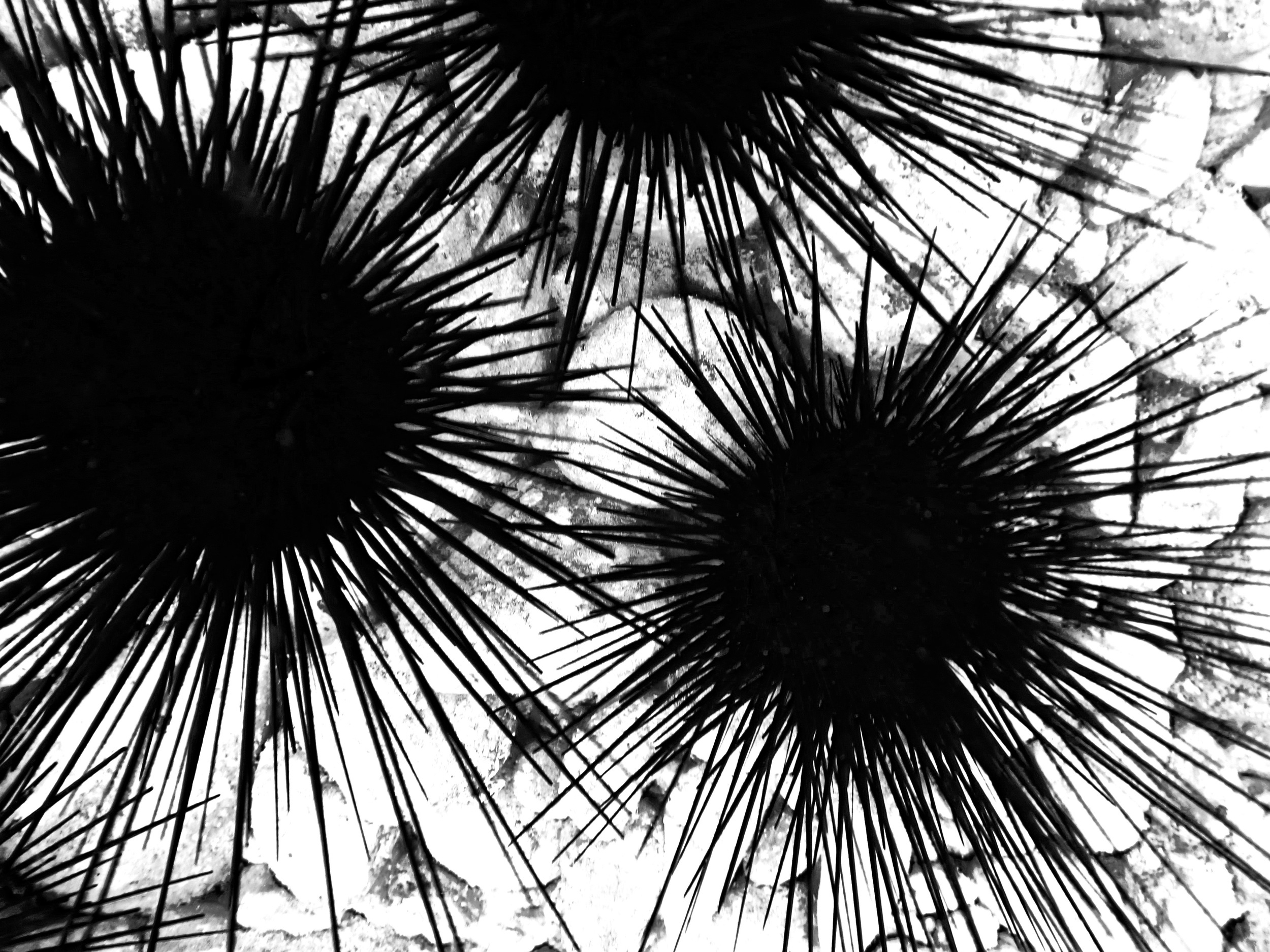
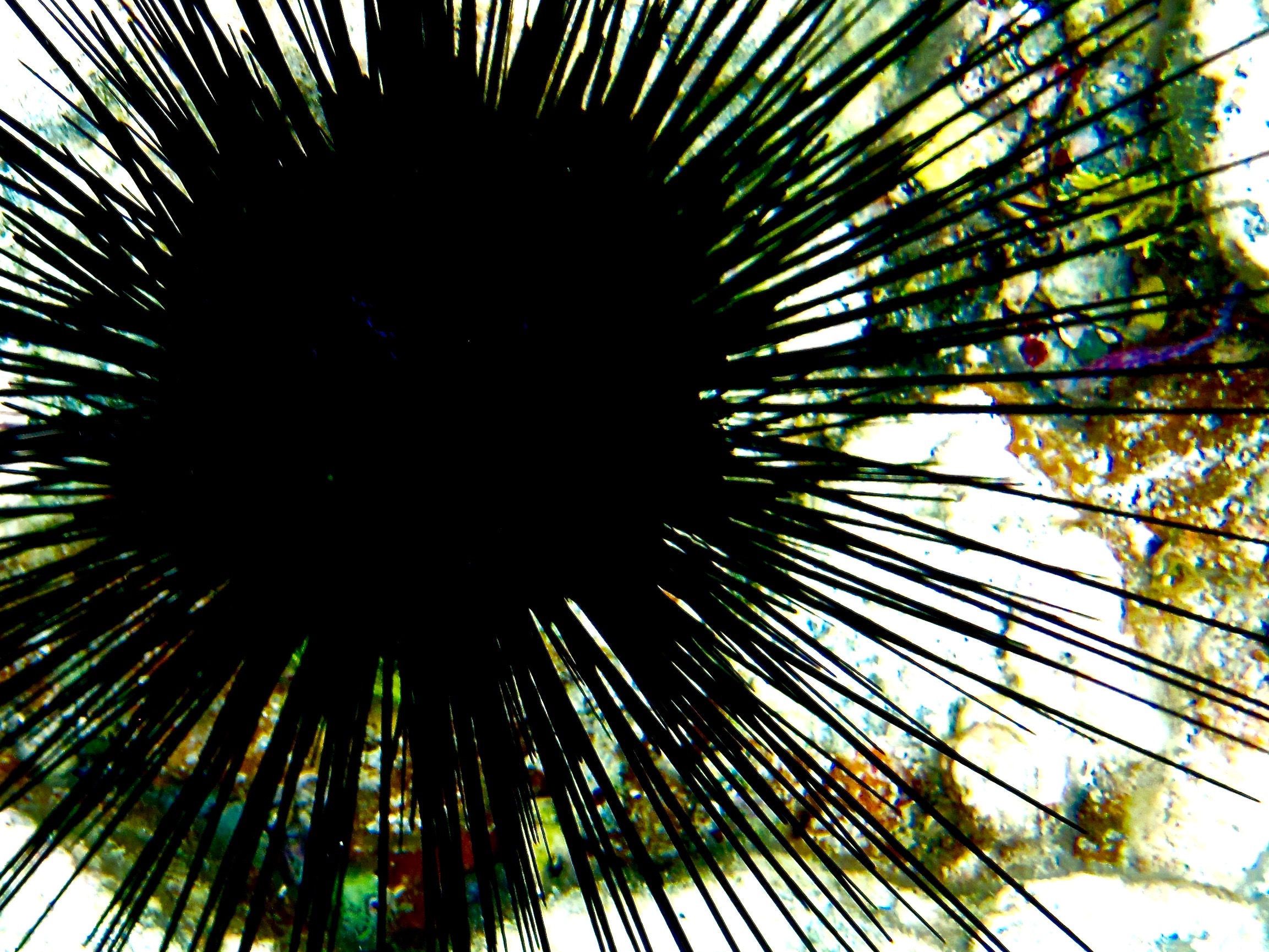
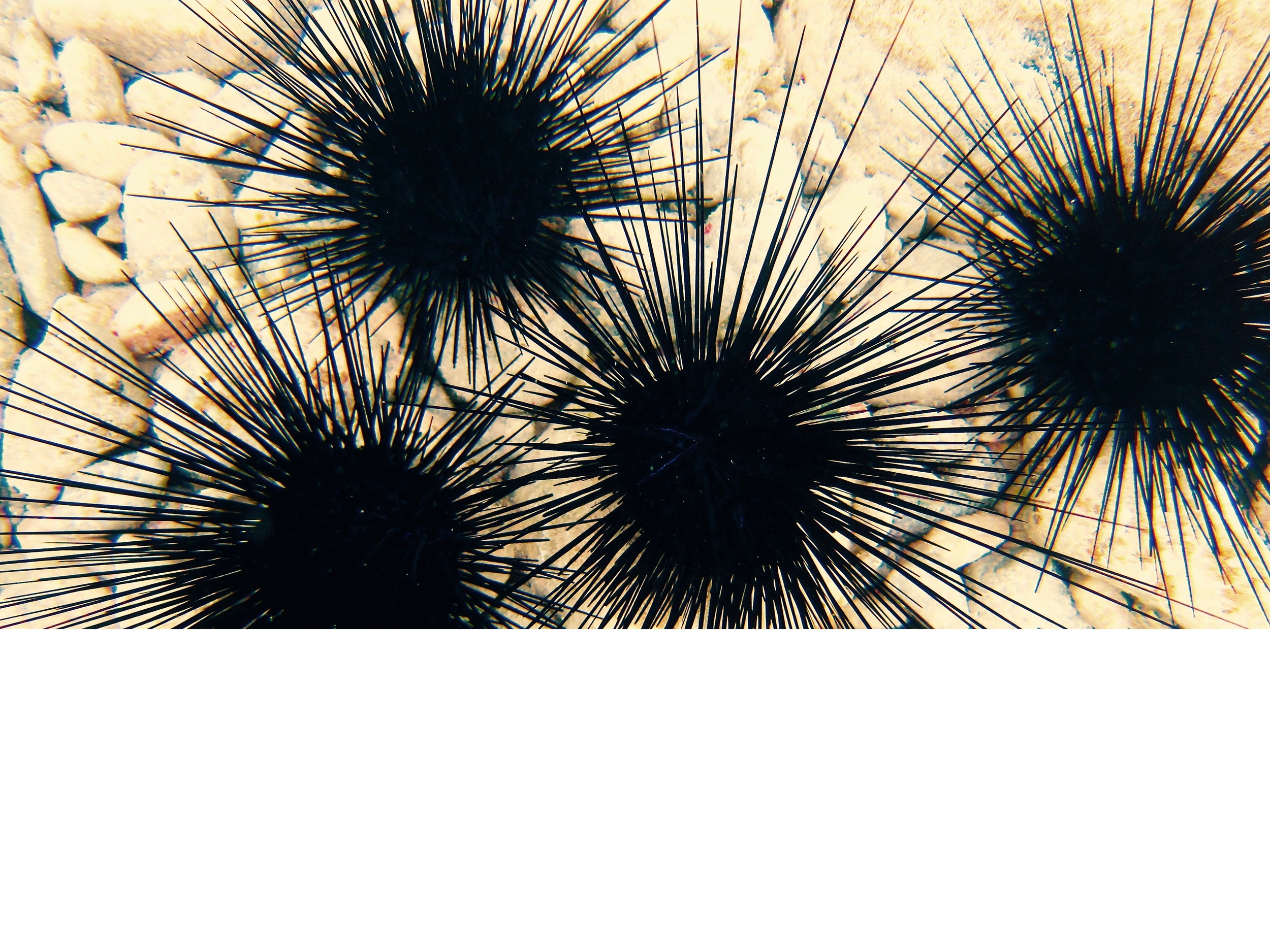
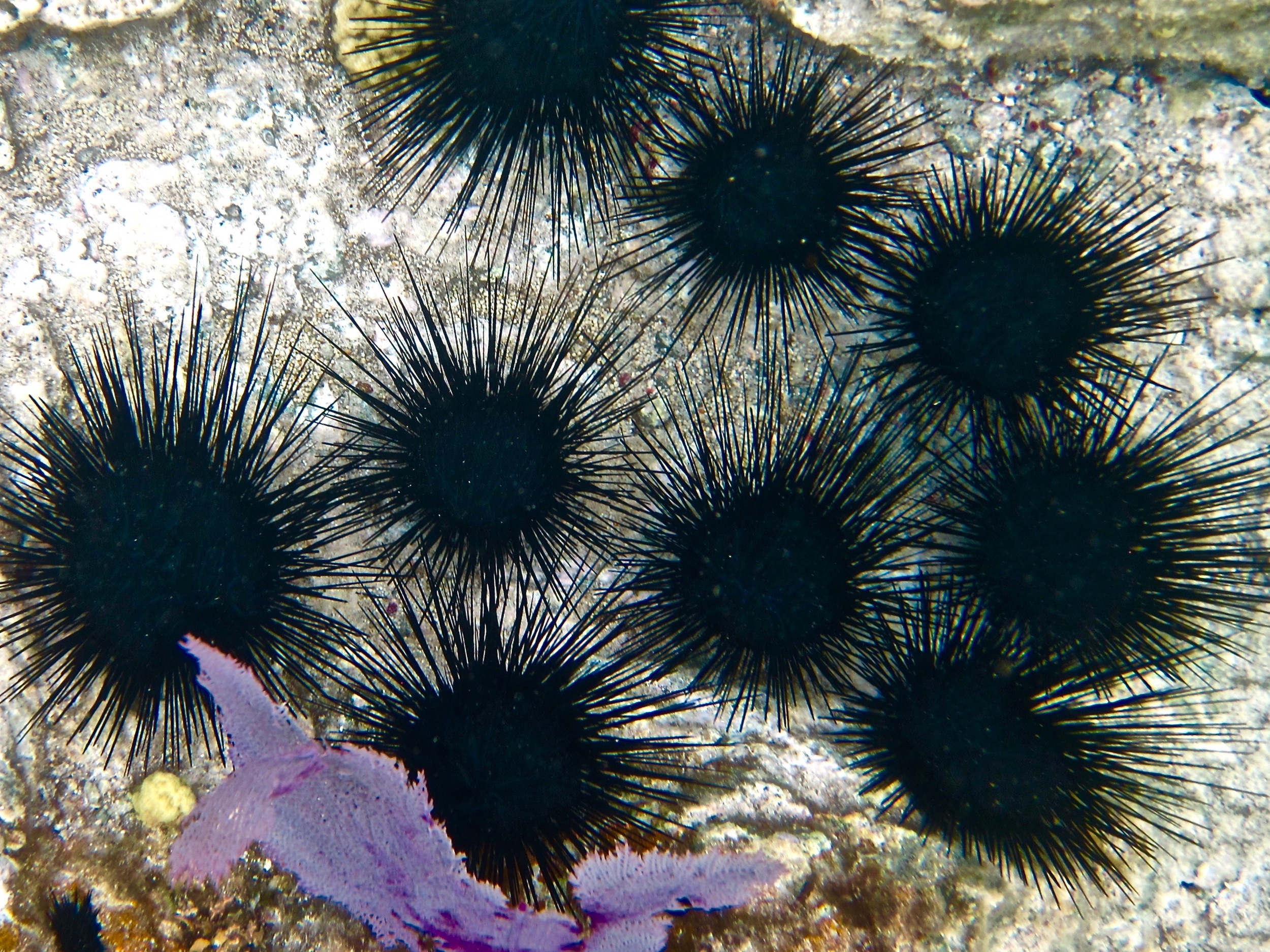
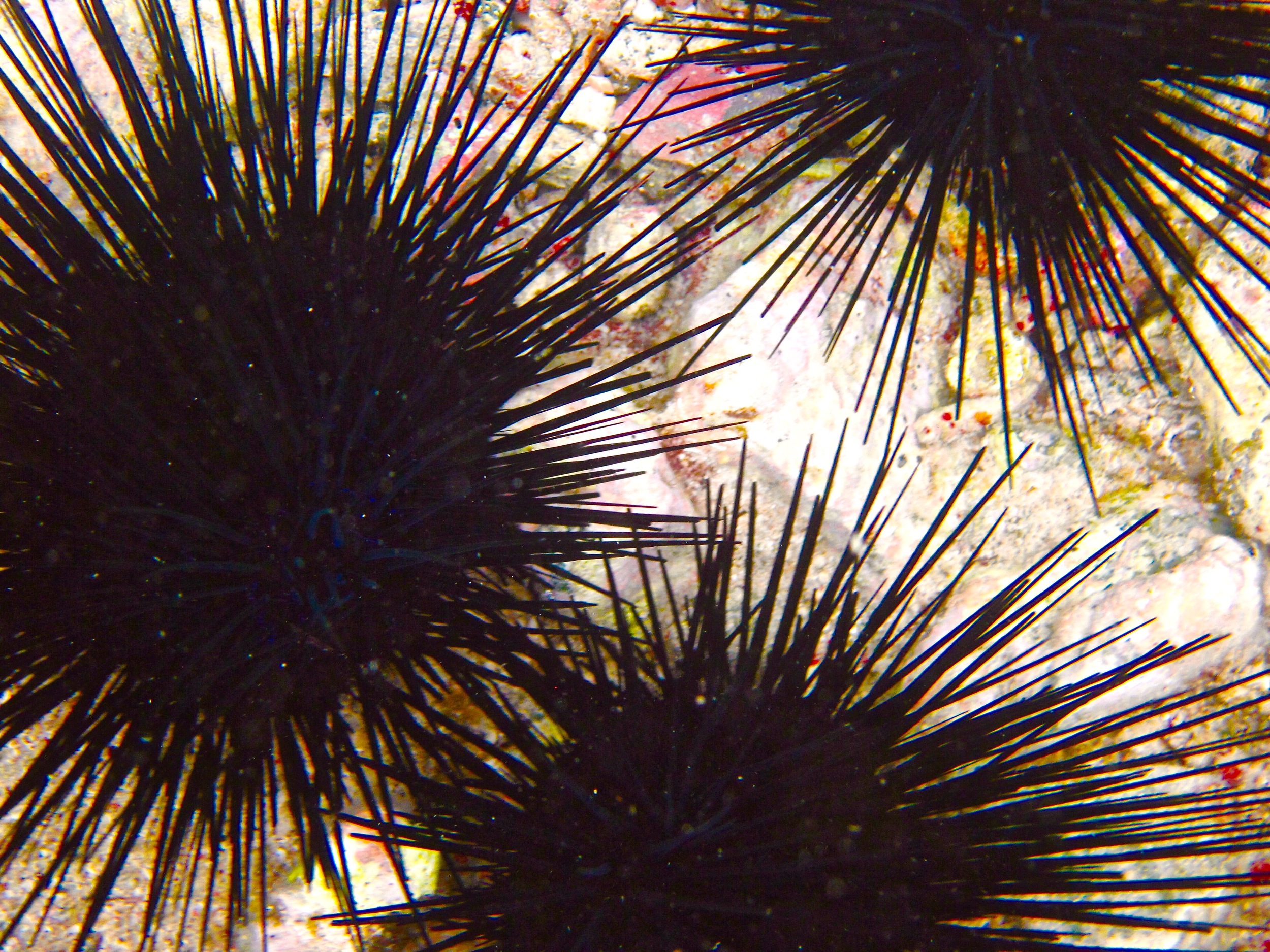
Sea urchins. Because why not, that's why.

One of the best parts of travel, at least the way I put trips together, is all the time there is for random whatnot. I'm a big fan of random whatnot. Random whatnot is the best kind of whatnot there is.

I've spent entire afternoons crafting artisanal (aka homemade and a little crappy) swizzle sticks from pieces of sea fan. I've rubbed Coors Light aluminum pint bottles with beach sand for hours because I thought it would be cool to have plain silver canteens. I've also done things that some might consider a waste of time.

So okay. Here I am in St. John, surrounded by my family and some of the most beautiful land and seascapes I've ever seen. And for whatever reason, I decided it was really important for me to photograph sea urchins. Like, all of 'em. It doesn't make any sense whatsoever. Which I guess is maybe the point. 

Anyway, here's some pictures of some goddamn sea urchins.


Daan Verhoeven: Rising to new depths

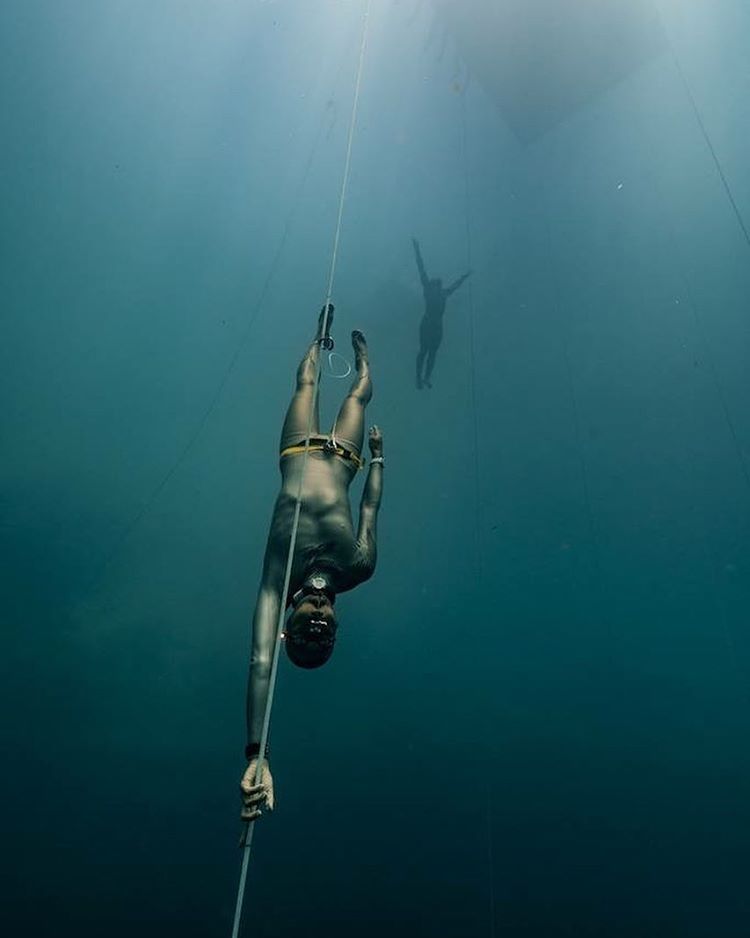
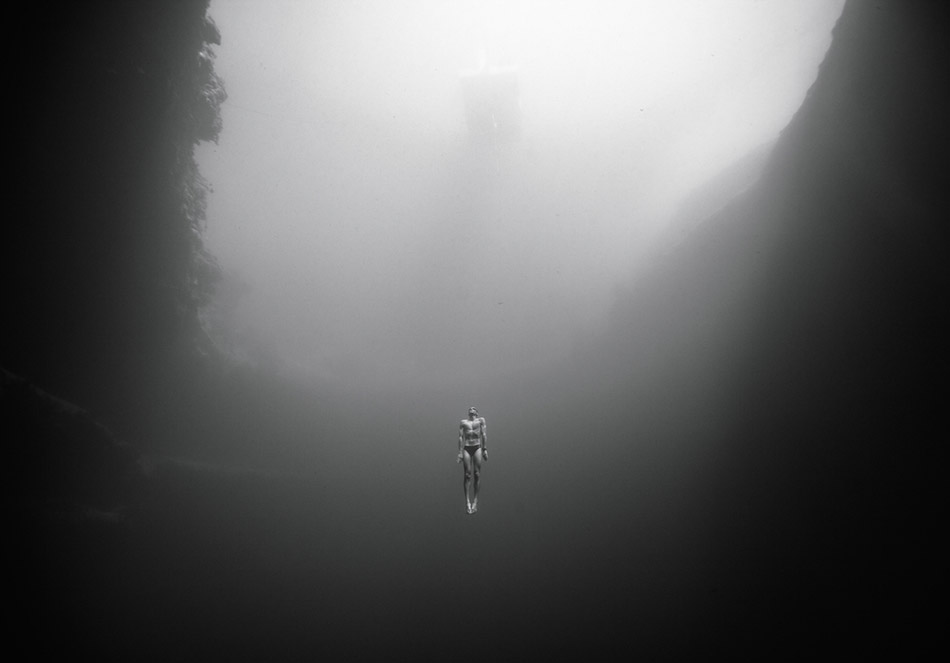
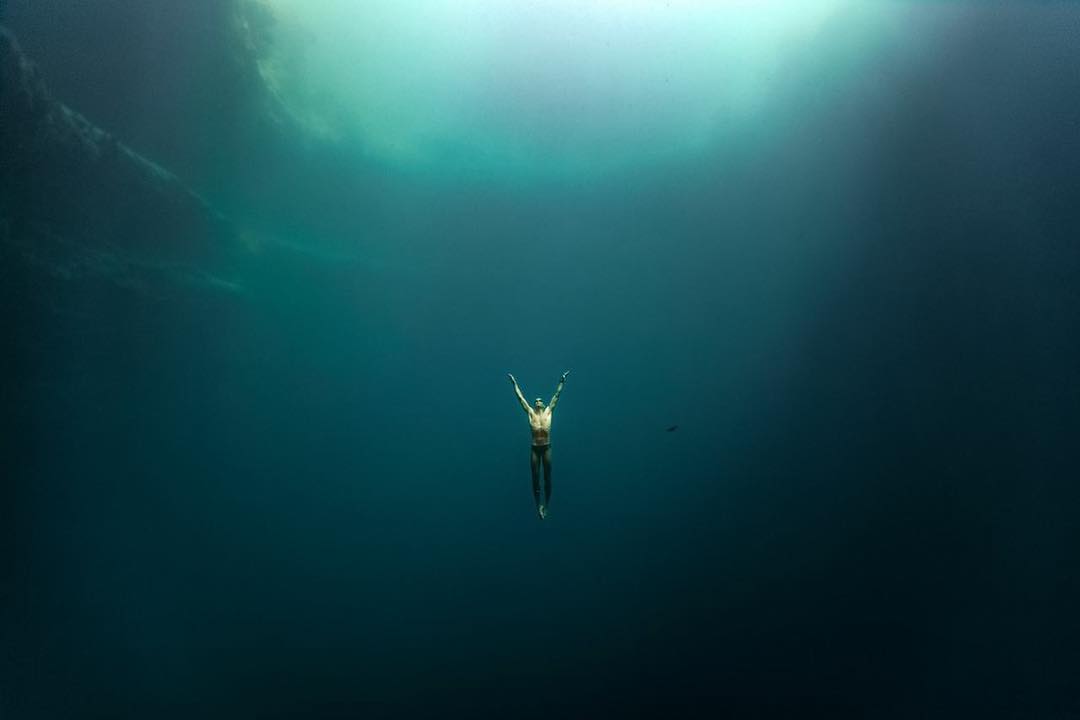
I'm not a religious person. But the photography of Daan Verhoeven has got me thinking about it. He specializes in images of freedivers. But to my eyes it seems he's capturing angels – rising and falling both.

I first discovered Daan's work on Instagram. For context, my typical Instagram session is a sliding scroll through my brain: a discombobulated mish-mash of aggressively filtered rum drinks, bomb-ass Sprinter van conversions, and women in bikinis holding fish. As you might guess, there's also plenty of diving photography in the mix.

But when a @daanverhoevenfreediver image shows up? It stops me in my tracks every time. The quality of light is what hits me first. He shoots using only natural light which, at depth, can be ridiculously dramatic. (I'd mention Caravaggio here but ain't nobody coming to Bring Limes to hear about Caravaggio.) Next is his sense of composition: the relationship between the divers and the space around them. With the boat above or the bottom below. With water. It's no surprise Daan is a freediver himself. There would be no other way to capture the spirit of the thing the way he does.

Finally, his images exude the gravity of freediving. There's an understood danger here, especially at the competitive level which is mostly what Daan shoots. Depths routinely reach more than 100 meters. Breath hold times can push 8 or 9 minutes. Deep water blackout is always a risk, and usually catastrophic, even for the best freedivers in the world.

My version of freediving is an entirely different thing. It's me vs. fish. And since the fish around here are almost always shallower than 30 or 40 feet, so am I. Of course, there are risks in anything (e.g. shallow water blackout). Realistically though? The worst case scenario for me on any given day? No ceviche for Johnny.

But still. The sensation of being at depth, at any depth, is a peaceful important thing for me. I don't know if my connection to water is rooted in the primordial, the prenatal, or something less profound.

But I know it feels just like Daan Verhoeven's photographs.

Morgan Maassen made a fine to-do list for you

Morgan Maassen direct • film • edit www.morganmaassen.com motion clients: Audi, Corona, Samsung, Volvo, Delta Airlines, Peugeot, NBC Universal, Monster Energy, Quiksilver, Patagonia, Billabong, prAna, Nixon, Roxy, Hurley, Teen Vogue, National Geographic, United Nations shot on Red Dragon & Epic music: "After Gold" by Kelpe

Don't have your summer plans ironed out yet? Nothing nailed down for this weekend?

Fear not my indecisive one, photographer and filmmaker Morgan Maassen has about 4,000 ideas for you and he's compiled them all into one absolutely gorgeous video called "Motion."

I suppose "Things You Can Do If You're Bored" wasn't his intention when he put this together. But if watching it doesn't make you want to get out and do something (like right now!) I don't even know what to say to you.

Anyway, check it. The footage and the edit are fire and the music track by Kelpe drives it all perfectly. This kid is really really good. At 25, he's already shot for some of the biggest companies in the world. His work doesn't feel that way though which is about the highest compliment I can give.  

He's a good follow on Instagram too: here.

Hey! Use your noodle!

Not that noodle you big silly...

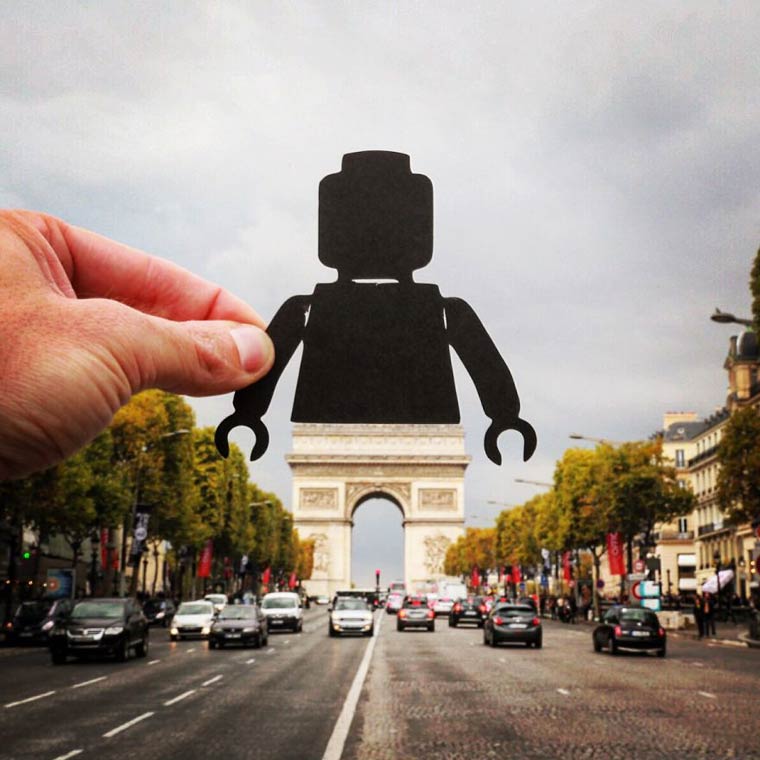
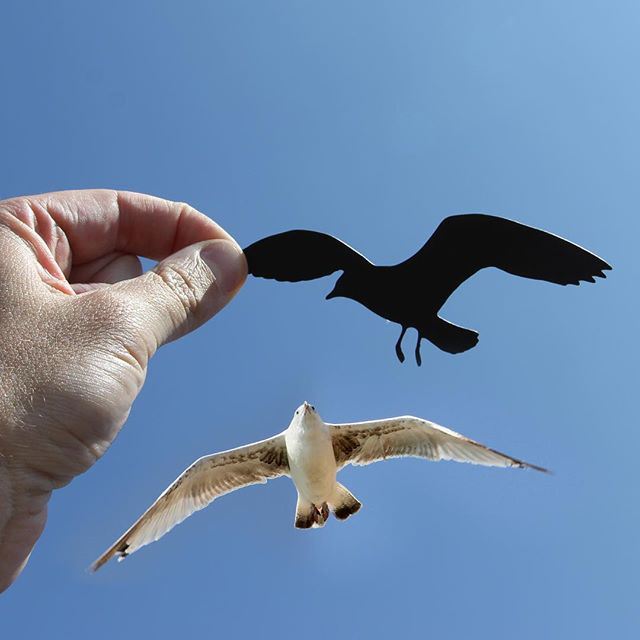
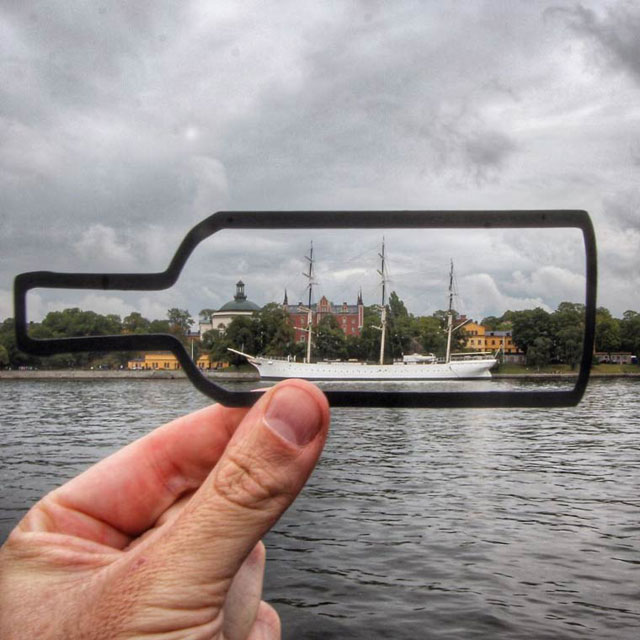
I'm talking about using your brain. Your sense of imagination. Your sense of playfulness and resourcefulness and fun.

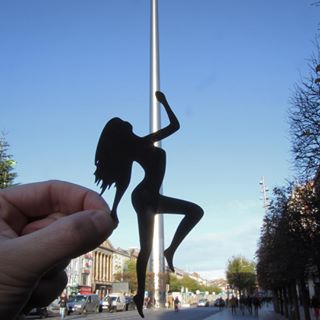
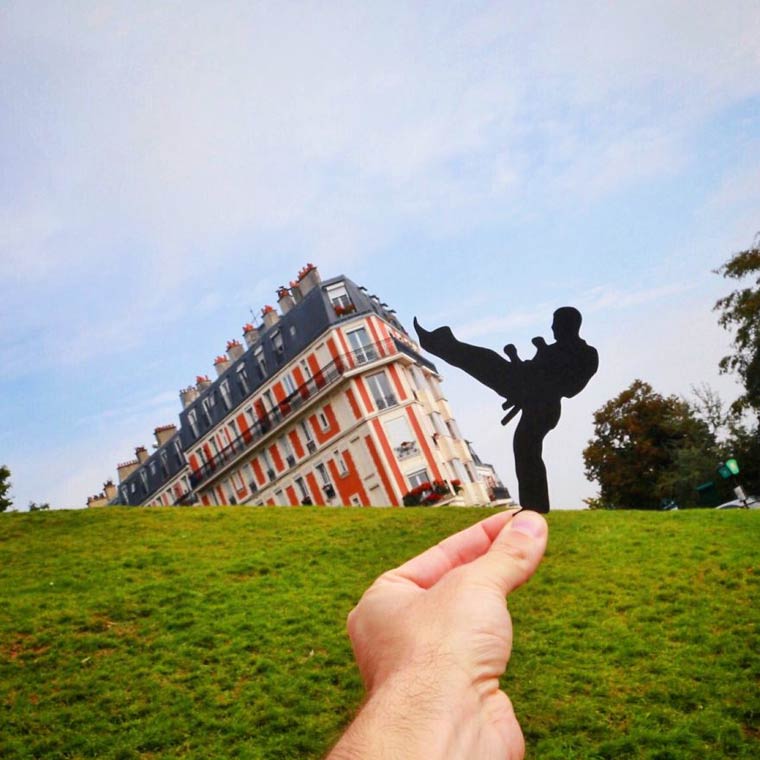
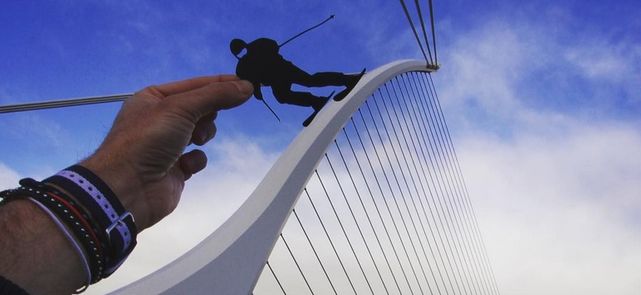
That's what Londoner Rich McCor does on Instagram. Smile-for-smile his account might be my favorite right now. It's the perfect testament to what skewing your perspective can do for you (also helpful: crazy scissor skills). 

He and his work (his play?) are no secret since he's been featured on CNN, among other places. His Instagram following is currently at 117,000. The Kardashian/Jenner family is over 180 million.  Help right the world by following Rich McCor instead. He'll make you happy. You'll see.


Island time and the urban jungle

28th Street, New York City, October 13th, 2015

28th Street, New York City, October 13th, 2015

So I spent the last few days in New York City for a photo shoot.

As usual, I flew into Laguardia, the little airport that could. I prefer Laguardia mostly because it’s the quickest way to the Lower East Side, where I typically stay. But I also like its location right on the water. Flying into Laguardia is a good reminder that New York City is, indeed, an island.

Despite the rising popularity of tiki bars here, the Lower East Side won’t be showing up in many Buffett songs any time soon. But still, the city moves to its own rhythms, just like any upstanding island. Every day fresh fruit and fish and flowers make their early morning way from harbors to local markets. You can feel, or sometimes just sense, the subways underfoot; a rolling rumble much like big water against rocky shores. And thanks to a ridiculously warm October, the bars and cafés here remain wide open to the street, existing in that perfectly unfolded inside/outside state that feels exotic regardless of latitude.

I don’t know. My love for places south of the border, and south of 14th Street, have always seemed at odds. Straight-up conflicted even. But I do know that, in both places, when I’m there I’m entirely there – supremely focused and actively engaged with the world I’m within.

I know, too, that on every flight home I’m thinking “I’ve got to bring some of that attitude back with me.”

Pure Imagination

I damn near cried when I watched this. If you're a child of the '80s or '90s, I bet you'll damn near cry too!

I honestly don't know what else to say other than you really gotta see this thing. 

As children, we viewed the world through the lenses of our imaginations. The carpet became lava, the shadows formed monsters, the family minivan was a spaceship. But the older we got, the more reality set in, and soon we forgot the magic our minds could create. We invite you to step back into your childhood and take a look through the lens once again.nahue and Roth Rind, that takes you on a journey through the mind of a 10 year old boy living in the 80’s and 90’s. Watch the Behind The Scenes Here - https://vimeo.com/140583965 Follow us on Instagram - instagram.com/permagrinfilms Directed by Marc Donahue www.permagrinfilms.com Produced by Roth Rind www.rind-raja.com Download “Imagination” by Jordan Corey FREE at https://soundcloud.com/jordancorey/pure-imagination-final-bounce Download the recreation of "Oompa Loompa" by Drew Roulette FREE here: https://soundcloud.com/drew-roulette/oompa-loompa-cover-song Starring Kai Burich Co-starring Stephen Burich Get your PermaGrinFilms shirt at www.vooray.com
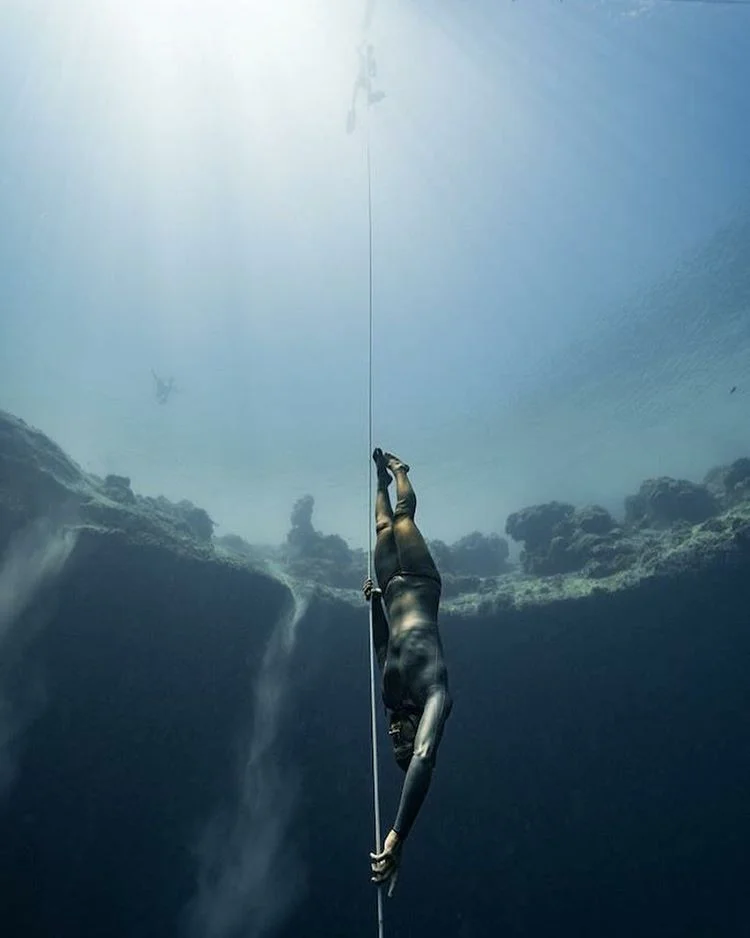
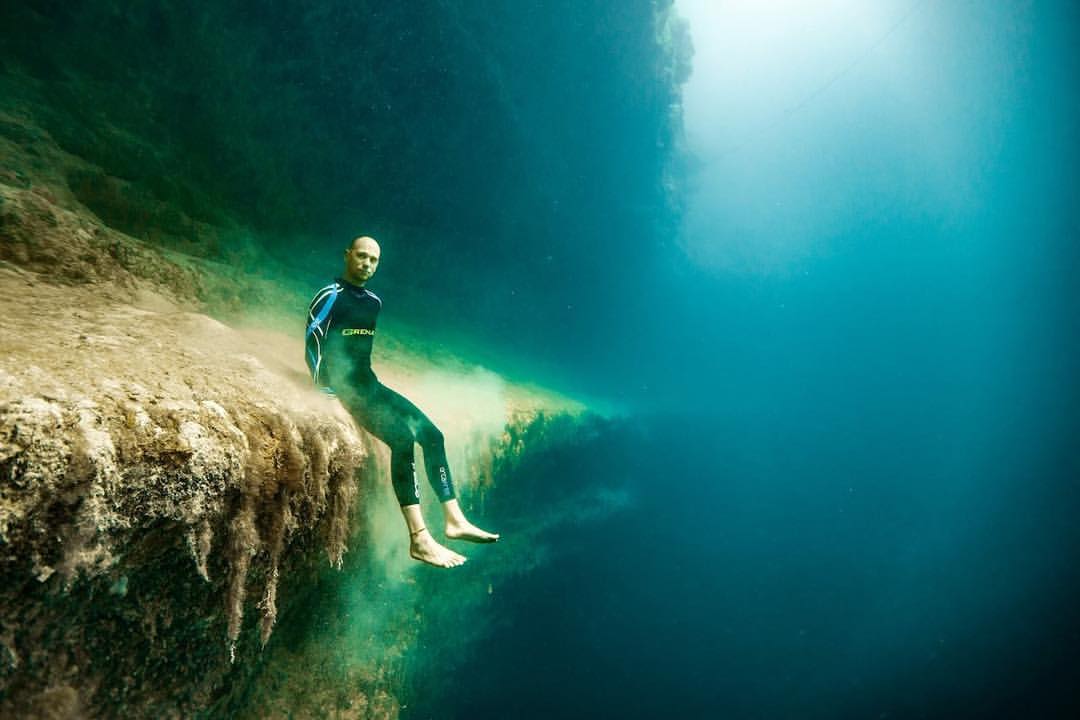
Credits are at the end of the film, but a big Right On! goes to Marc Donahue and Roth Rind of PermaGrin Films.

Reminder: The world is really really cool

Mike Olbinski drove 17,000 miles capturing this footage, shooting 105,000 frames worth of time-lapse in the process.

It was so well worth it.

Blu-Ray discs available here: http://www.mikeolbinski.com/shop/ Song by Kerry Muzzy: "Palladio Rebuilt" (on iTunes: http://bit.ly/pall_MO) Follow me: http://www.mikeolbinski.com / https://twitter.com/mikeolbinski / https://www.facebook.com/mikeolbinskiphotography / https://instagram.com/mikeolbinski ---------------------------------- I've been chasing the monsoon in Arizona for about 6-7 years now. This summer was different though. Back in late July, I was wondering why it felt like I was out chasing more than ever before. And then I remembered. I had a job last summer. This year I didn't. I went full-time photography in November of 2014 and haven't looked back. I was free to roam and had virtually no limitations. I even had multiple chases where I never actually wend to bed, but instead chased all night. I took the kids to New Mexico at one point early in the season. Last year I counted roughly 31 total days that I chased a storm during the monsoon. This summer: 48. Yikes. 17,000 miles driven, which was about 3,000 more than last year. Perhaps the biggest difference this year was shooting nearly 60,000 more time-lapse frames than I did in 2014. 105,000 total. And what sticks out to me even more than any of the other numbers above, is that only 55,000 of those 105,000 frames made it into Monsoon II. What that means is I was able to stuff this new film with only of the best of the best. We missed out on some of the huge dust storms like I've captured in years past, but overall, I think this represents some of the best weather I've ever photographed in Arizona. There are stunning shelf clouds, gorgeous rain shafts, lots of blowing dust, tons of lightning, and even multiple mini-supercells/mesocyclones. The brief meso over Cottonwood at the 3:38 mark is one of my all-time favorites. I can't talk much more about the film without addressing the music real quick. The song is called Palladio (Rebuilt) and it's once again by the amazing Kerry Muzzey who donated it to me for Monsoon II. He also let me use another song of his for my previous film, The Chase and I'm beyond grateful for his generosity. I mean, how do you thank someone enough for that? Click here to find the song on iTunes and please support his work! I've said it a million times...the music is at least 50% of these movies I make. Kerry's art helps bring my films to life. Thank you my friend! When I'm out there capturing footage for these films, I'm constantly thinking about the story I want to tell. For example, I wanted a lot of erupting, towering cumulus at the beginning to launch into the meatier clips. I started laying out the film back in mid-August. Certain clips I already knew would be in certain places in relation to the ups and downs of the song itself. As the season wore on, I gathered more and more clips and began to lay out the entire film. I'd remove clips when I got something better. There was exhausting editing, re-editing, looping music, reluctantly dropping clips that didn't work or were unfixable and watching it over, and over and over, to make sure I was telling the story I wanted to tell. At one point, about halfway through...I was telling Jina that I have a lot of great stuff, but still haven't shot the final scene yet. I had no idea what it would be, but I knew I didn't have it. And then that very night (or maybe the next day)...I was out west of Tonopah and I knew on the way home that the monsoon had finally delivered my ending. That is what is so amazing about doing this. You hit the road with zero idea about what you're going to see over the course of a summer. You might imagine scenarios or have ideas, but they get blown out of the water by reality. And that's what I love about it. My hope is that you can see and feel that love in this film. The beauty of the monsoon in Arizona. This is where I'm from and this is home. More on the story here: http://www.mikeolbinski.com/theblog/2015/10/monsoon-ii/ -------------------- Technical Details: Captured with Canon 5D3's, a 5D2, Canon 16-35mm, Rokinon 14, 24, 35 and 85mm. Processed using Lightroom, LR Timelapse, After Effects and Premiere Pro

Good things come in waves

Good things come in waves

Doing what you love is an easy choice when what you love is lawyering, or doctoring, or marketing. It gets tougher, though, when what you love doesn't quite make sense.

Clark Little has created a life for himself that, on paper at least, doesn't quite make sense. Hell, it doesn't even make remote sense. Clark Little is a professional taker of wave photos.

To be clear, this ain't no hobby. If you google "most badass wave photographer in the world," Clark comes up first.

How did it come to be? Why? 

Read More